
The advantages of CNC machining become most valuable when a buyer needs a controlled feature on a specific material, and may later need the same part again. CNC is not automatically the cheapest route for every shape or volume. Its strength lies in combining programmable geometry with a defined setup and measurable acceptance criteria. This article looks at the benefits that matter in a real sourcing decision, the conditions that enable them, and the questions to ask before assuming a claimed advantage applies to your part.
1. How does CNC machining support dimensional control?
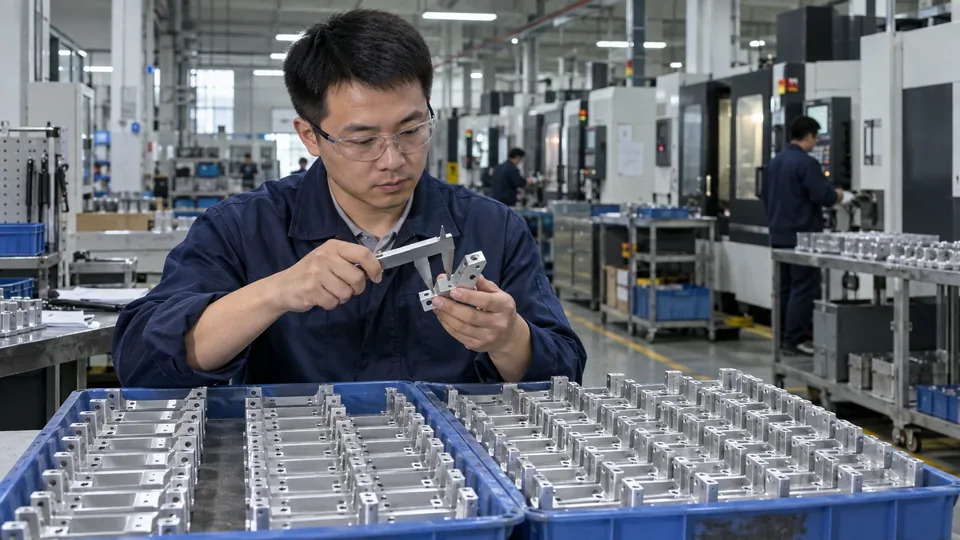
A programmed path lets the machine repeat a planned sequence, but dimensional accuracy comes from the whole process: stable stock, tool condition, workholding, offsets and inspection. That combination can produce close-fitting bores, faces and patterns when the design and production route support them. It does not mean every feature on every part will meet an arbitrary tight tolerance. Each requirement needs a suitable machine, tool, fixture and measurement method.
Mark the dimensions that govern fit or function. Ask the supplier to describe how it will establish datums and verify the first part. NIST’s work on machining measurement helps distinguish process measurement from finished-part acceptance. Vastion’s CNC machining service is a starting point, not a substitute for a drawing review.
| Benefit | Enabler | Buyer evidence |
|---|---|---|
| Controlled bore | Appropriate finishing pass | Measured diameter |
| Located hole pattern | Datum-based setup | Position report |
2. Why can repeat orders become more predictable?
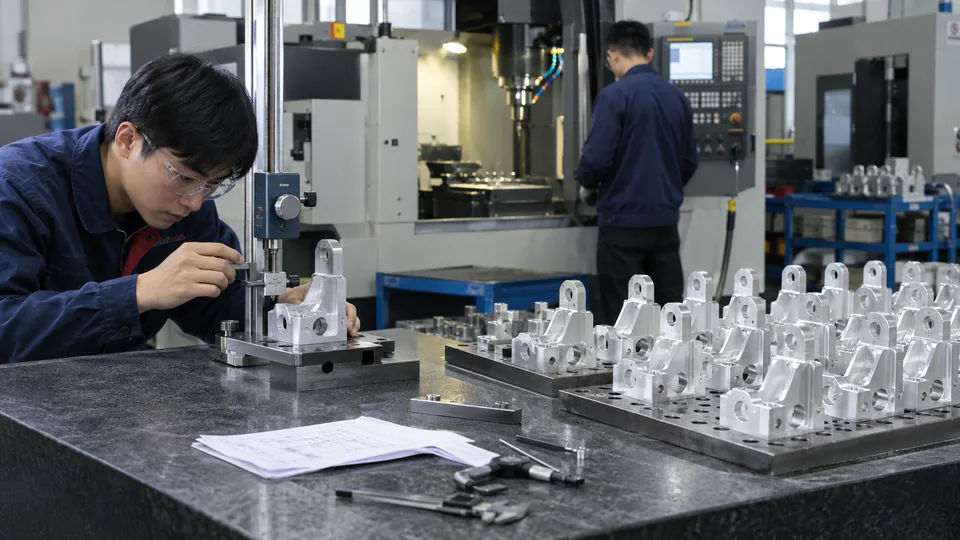
Once a route is proven, the shop can retain the program, fixture plan, tool list and inspection checks. Those records reduce the need to invent the process again for every order. A repeat order is still not an exact replay: material lots, tools, machine condition and operators change. A first-part verification after a meaningful change helps protect the result.
Buyers can make repeatability easier by sending the same controlled drawing revision and clearly identifying changes. Ask how the supplier stores setup information and what triggers reapproval. A low unit price on a reorder matters little if the production team cannot reconstruct the accepted setup.
| Record | Why retain it? | Review trigger |
|---|---|---|
| Approved program | Preserves tool path | Drawing change |
| Fixture and inspection plan | Preserves location and evidence | Machine or fixture change |
3. How does CNC support design changes during development?
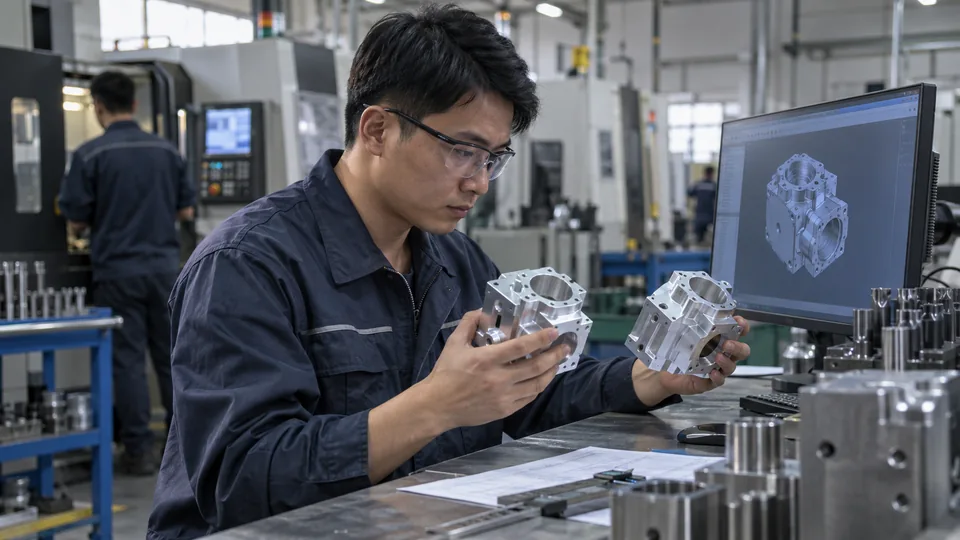
For many prismatic or turned parts, an approved model revision can be reprogrammed without buying a new hard mold. That flexibility is useful in prototype development, especially while mating dimensions or mounting details are still changing. It does not make revisions free: programming, setup and inspection must be repeated where the change affects them. A small geometry change can alter workholding or tool access.
Use a revision log that states what changed and what must be rechecked. Do not email a modified model while leaving an old drawing attached. When evaluating an alternative material or process, ask for a revised quotation rather than assuming the previous cycle and inspection plan still apply.
| Change | Likely impact | Buyer action |
|---|---|---|
| Hole moved | New path and inspection | Issue new drawing |
| Wall thinned | Fixture and deflection review | Request DFM feedback |
4. What material choice does machining offer?
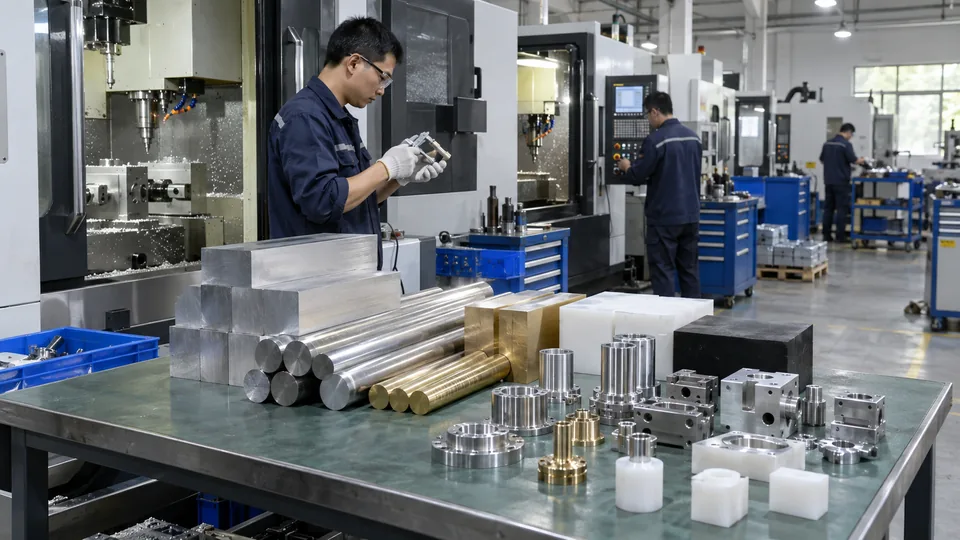
CNC machining can work with many engineering metals and plastics, provided the grade, condition and geometry are appropriate for the equipment and tooling. That breadth lets buyers test a functional material before committing to another production method. The material family alone is not enough: two aluminum grades can differ in strength, corrosion behavior and machining response, while heat treatment can change part behavior.
Specify exact grade and condition, and state whether substitution is allowed. For a round component, turning may be the efficient route; for a formed enclosure, sheet metal may deserve comparison. The best process depends on the required material in its final state.
| Input | Why it matters | Check |
|---|---|---|
| Grade and condition | Controls properties | Certificate if required |
| Stock form | Affects setup and cost | Enough machining allowance |
5. Can CNC make complex custom geometry?
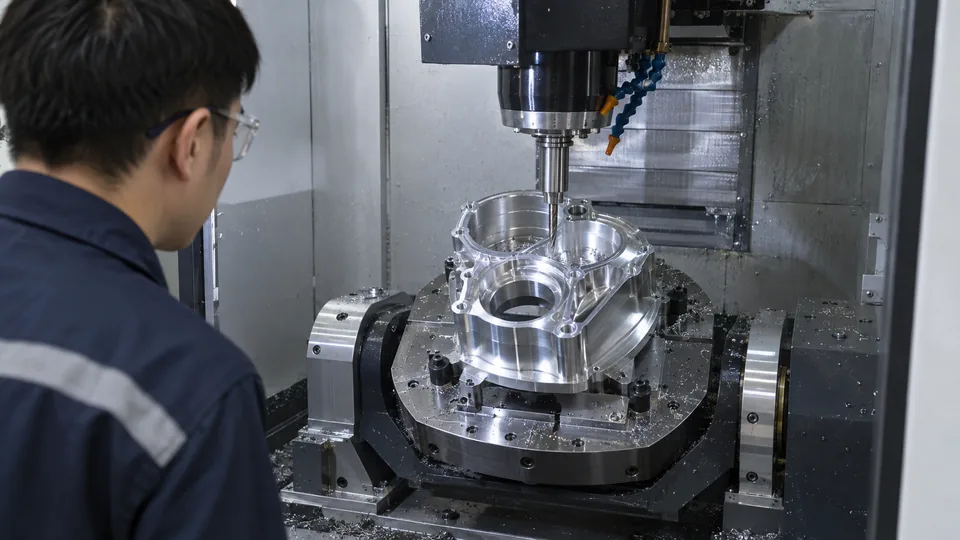
Modern mills and lathes can combine pockets, curves, slots, bores and threads within a controlled route. Multi-axis access may reduce reclamping on some geometries. Yet geometry has physical limits: a cutter needs clearance, internal corners inherit a tool radius, and a long slender tool may flex. Complexity is therefore a design-and-process discussion, not a promise attached to an axis count.
Ask the shop to identify inaccessible features before pricing. A DFM note should say what feature is difficult, why it matters, and what change would help. If an internal channel cannot be reached, another fabrication route or assembly may be preferable to heroic machining.
| Feature | Opportunity | Constraint |
|---|---|---|
| Multi-face features | Fewer transfers | Tool and clamp access |
| Deep pocket | Custom internal form | Tool stiffness and chips |
6. How does automation affect lead time?
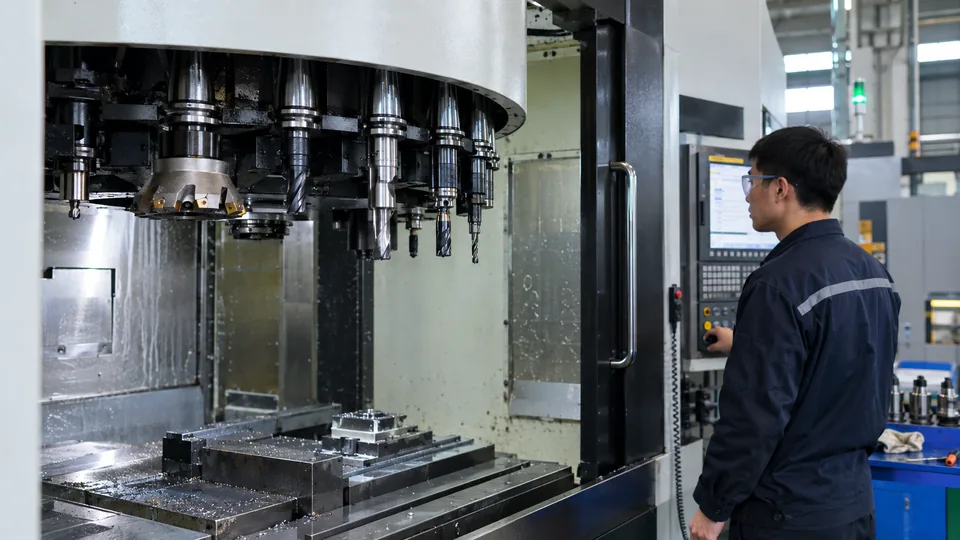
Once a stable setup and program exist, automatic axis motion and tool changes can reduce manual intervention in the cutting sequence. However, a quoted lead time also includes material procurement, programming, fixtures, first-part checks, finishing and shipping. For one prototype, those non-cutting steps may dominate. A shorter cycle time is not the same as a shorter delivery date.
Ask for a lead-time breakdown and identify the critical path. If surface treatment or a special material drives the schedule, discuss alternatives early. Expedite requests should not bypass first-part approval on a functional component.
| Time element | Can programming reduce it? | Buyer question |
|---|---|---|
| Cutting cycle | Often, after optimization | At what quantity? |
| Material or finish queue | Usually not | What is the bottleneck? |
7. Why is CNC useful for low-volume production?
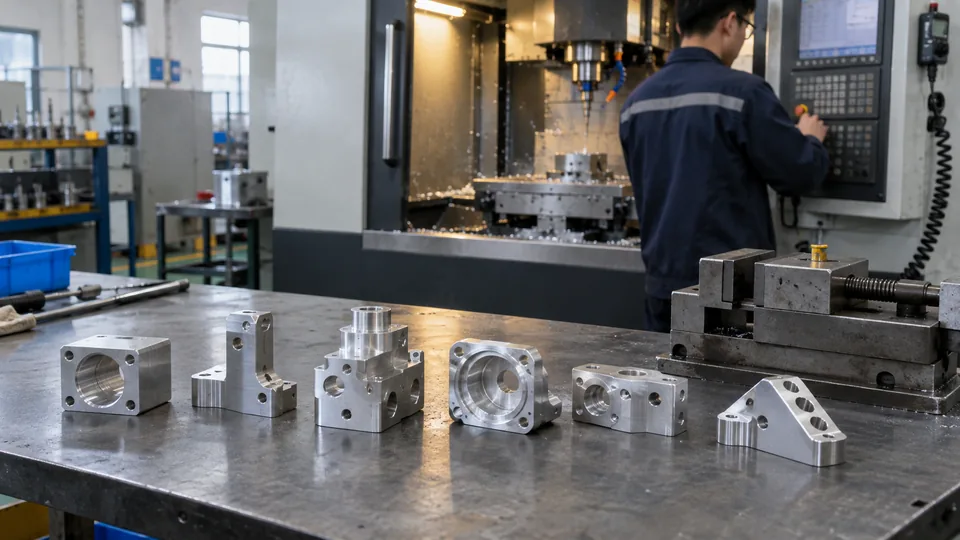
Machining can make a small batch without the capital and delay of a dedicated mold, making it attractive for pilot runs, service parts and demand that is still uncertain. Unit cost may be higher than a mature casting or molding route at large volume, but avoiding a tool investment can be rational while the design is moving. The relevant comparison is total cost at the expected quantity and revision risk.
Ask for price tiers and separate one-time engineering from recurring cost. If demand stabilizes, compare die casting using the same finished-part requirements. A near-net blank can also be machined on critical faces, so the choice need not be all-or-nothing.
| Stage | Machining advantage | Tradeoff |
|---|---|---|
| Pilot batch | Lower tooling commitment | Higher unit setup share |
| Stable high volume | Critical-feature finishing | Consider near-net blank |
8. How does CNC help document quality?

Because the route uses a controlled file set, buyers can request a clear chain from drawing revision to program, setup, material lot and measured part. That chain supports investigation if a later assembly problem appears. It only works when the shop actually records the links; CNC equipment alone does not create traceability.
State the level of evidence you need before quoting. A simple prototype may need a first-part measurement and material statement; another application may require lot identification, a dimensional report and retained records. Vastion’s confidentiality policy is relevant when sharing controlled designs, but project-specific document handling still needs agreement.
| Evidence | Supports | Limit |
|---|---|---|
| Revision record | Correct design basis | Not a measurement |
| Inspection report | Actual checked values | Only listed features |
9. Where does a CNC advantage stop?
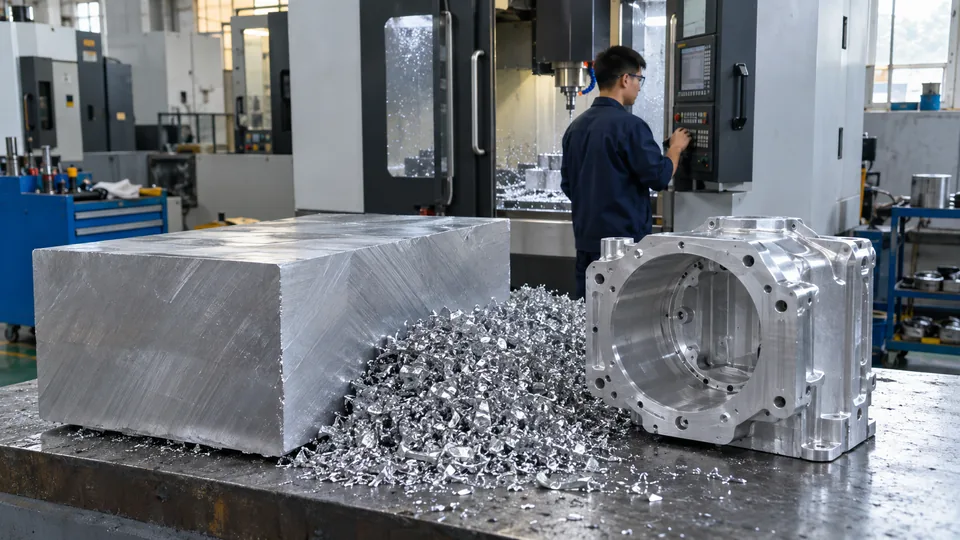
Machining is subtractive: it removes stock. For a very large, thin or heavily hollow part, material waste and cutting time can become decisive. A sharp internal corner, inaccessible undercut or extremely thin wall may require redesign, a secondary process or a different manufacturing route. Very large volume can favor a process with more tooling but lower recurring cycle cost.
Compare processes using the finished requirement, not a simplified blank. A sheet-metal housing, casting with machined interfaces, or assembled design may beat a one-piece milled part. Ask the supplier to explain its preferred route and its limits.
| Condition | Machining concern | Alternative review |
|---|---|---|
| Thin hollow shell | High stock removal | Formed or fabricated part |
| Stable mass volume | Cycle cost | Near-net production |
10. How should a buyer decide whether the benefits apply?
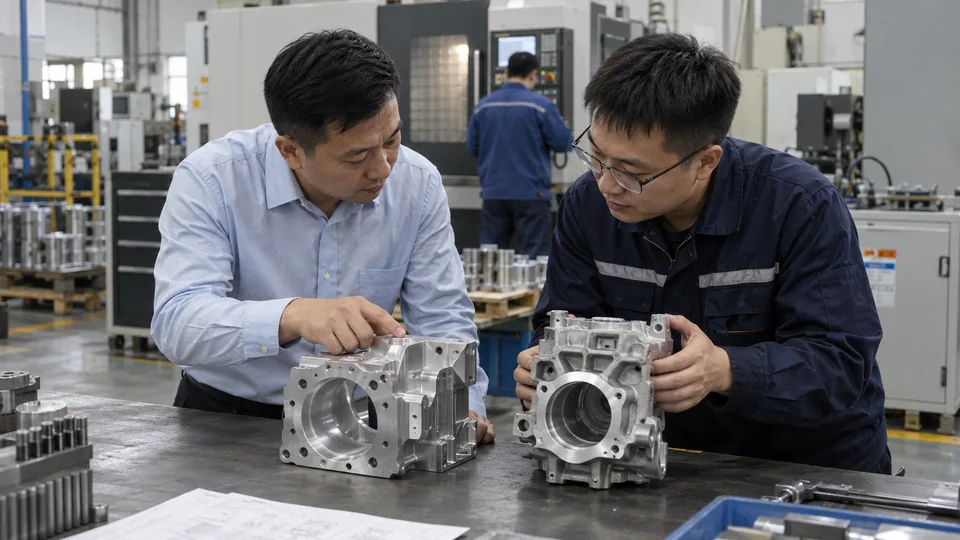
Start with the controlled drawing, exact material, finish, quantity and critical features. Ask the supplier to show how its proposed route achieves them and what will be measured. Compare the cost and risk of setup, unit production, finishing, scrap and revisions. If a vendor promises “precision” or “fast delivery,” request a feature-specific tolerance plan and a dated schedule.
Vastion’s industry examples can suggest applications, but your product’s fit and performance govern the decision. Send the RFQ through the contact page with expected annual and first-order quantities. Ask for a DFM response that names both opportunities and limitations.
Frequently asked questions
Is CNC machining always more accurate than casting?
No. The comparison depends on feature, tolerance and inspection. Castings often receive machining on critical interfaces.
Does CNC remove the need for quality inspection?
No. A repeatable program can still produce bad parts if tools, setup or material change.
Can one program be reused for every reorder?
Only after confirming machine, fixture, tools, material and drawing revision remain appropriate.
Is CNC cost-effective for one prototype?
It often can be because it avoids dedicated mold tooling, but setup and material still affect price.
What is the best way to test a claimed advantage?
Request a first part with measured critical features against the controlled drawing.
