
CNC machining for custom parts begins before a cutter touches metal. The buyer must translate a product need into a controlled file package; the shop must translate that package into a route it can hold, cut and measure. Most avoidable disputes arise between those translations: a missing material condition, an unmarked mating face, or a changed model with an old drawing. This guide follows a custom part from RFQ to accepted delivery, emphasizing the decisions that belong to the buyer.
1. What makes a part truly custom?
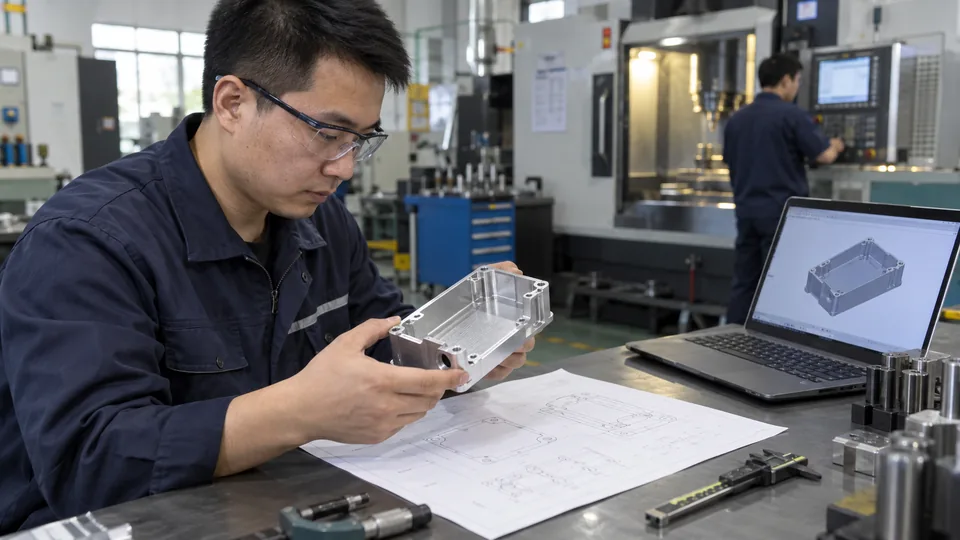
A custom part is defined by its particular geometry, material, interfaces and acceptance requirements rather than a catalog size. A simple plate with a unique hole pattern may be more application-critical than a visually complex housing. Customization therefore should be described by function: what the part locates, supports, seals or transfers.
Start the RFQ with an assembly view and the controlled part drawing. Identify which features cannot move and which are negotiable. Vastion’s machining page describes a capability category, but the supplier still needs a project-specific definition.
| Input | What it tells the shop | Risk if absent |
|---|---|---|
| Assembly context | Functional relationships | Wrong priorities |
| Controlled drawing | Acceptance limits | Unclear approval |
2. Which files should accompany a custom-part RFQ?
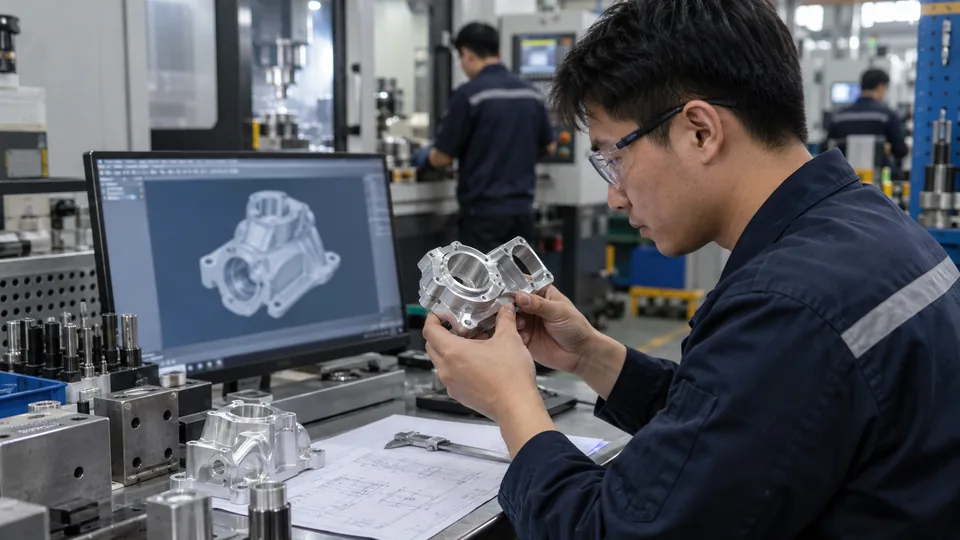
Send a 3D model for geometry and a 2D drawing or approved digital definition for tolerances, datums, material, finish and notes. Add expected quantity, delivery location and required evidence. A screenshot is useful for discussion but not a controlled manufacturing file. If the model and drawing disagree, the supplier needs an explicit resolution before programming.
Label the revision on every file. State whether quoted pricing assumes an unchanged design and whether substitutes are permitted. For confidential designs, discuss access and retention in light of Vastion’s confidentiality policy before sending the full package.
| File | Purpose | Check |
|---|---|---|
| 3D model | Geometry and tool planning | Revision matches drawing |
| 2D drawing | Inspection authority | Critical notes are legible |
3. How should material be specified?

Name the exact grade, condition and stock form when they affect strength, corrosion, appearance or certification. “Aluminum” is too broad for a functional purchase. If a supplier proposes an equivalent grade, the buyer should approve it against the application rather than treat a similar name as proof of equivalence. Heat treatment and surface condition can change how the part behaves after machining.
Ask whether a certificate and lot traceability are needed. A prototype may use a simple material statement; a controlled product may need records linked to the shipped parts. The inspection plan should say which properties are verified from documents and which from part tests.
| Material detail | Why it matters | Buyer decision |
|---|---|---|
| Grade | Properties and machinability | Allow substitution? |
| Condition | Strength and stability | Require certificate? |
4. How does a DFM review improve a custom design?
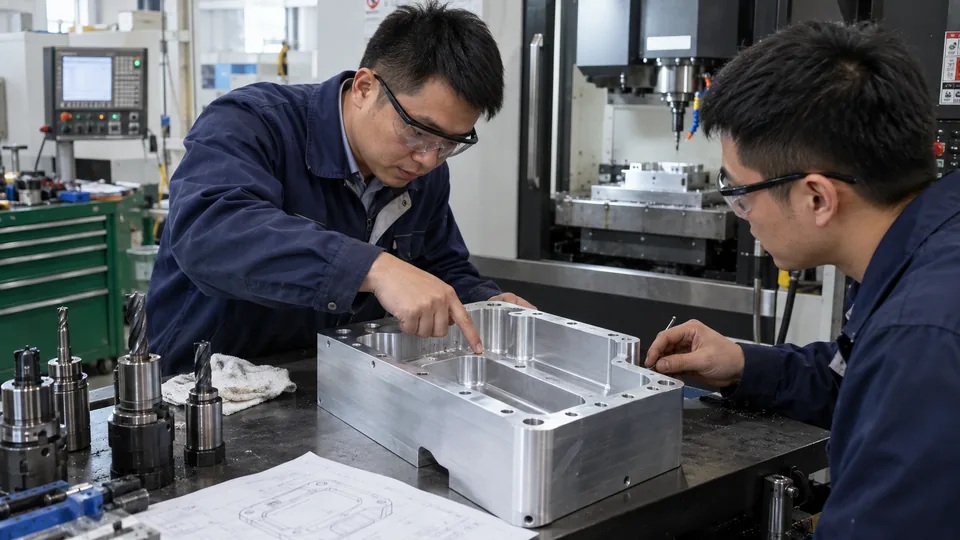
Design for manufacturability checks whether tools can reach every feature, whether stock can be held, and whether specified tolerances can be measured economically. A meaningful DFM comment identifies the exact feature, consequence and proposed option. For example, enlarging a nonfunctional internal radius may permit a stiffer cutter; moving a hole may remove an extra setup.
The supplier should not silently change the drawing. The buyer decides whether to accept a revision, pay for a harder route, or seek another process. Manufacturing.gov’s CAM overview explains the digital translation step, but manufacturability also depends on the real fixture and tool access.
| Finding | Consequence | Possible decision |
|---|---|---|
| Deep pocket | Long flexible tool | Open access or accept cost |
| Thin wall | Distortion risk | Add support or thickness |
5. How are milling and turning combined?
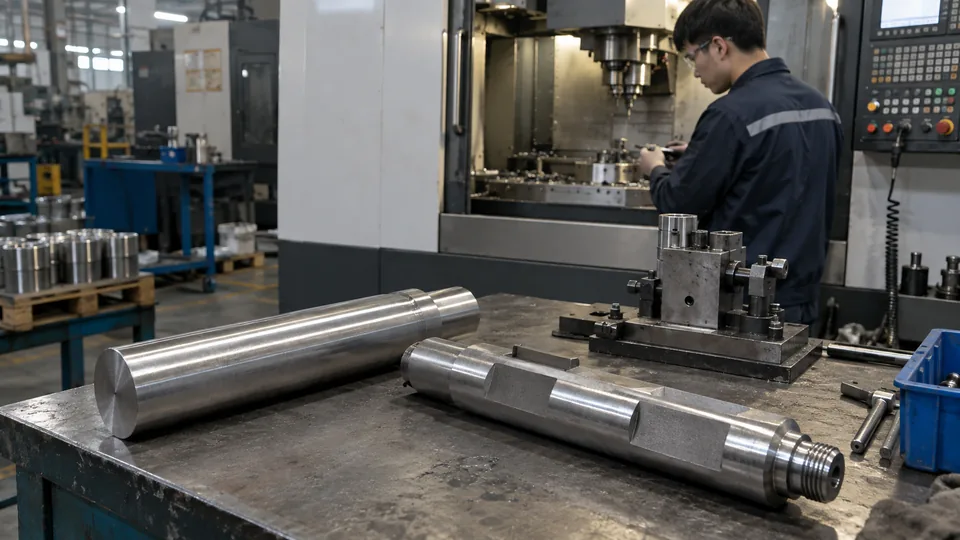
A housing with pockets and planar faces may be mostly milled. A shaft or bushing may be mostly turned. A part with both a bearing diameter and mounting flats could use two operations or a multitasking machine. The sequence should protect critical datum relationships as the part moves between setups.
Ask which features are finished in one setup and which are transferred. The turning route may be more efficient for a rotational blank, followed by milling only where needed. A quote should include secondary operations instead of assuming the first machine completes the entire part.
| Geometry | Likely primary route | Secondary check |
|---|---|---|
| Pocketed housing | Milling | Hole and thread access |
| Shaft with flats | Turning | Datum transfer to milling |
6. What should the first-part approval include?
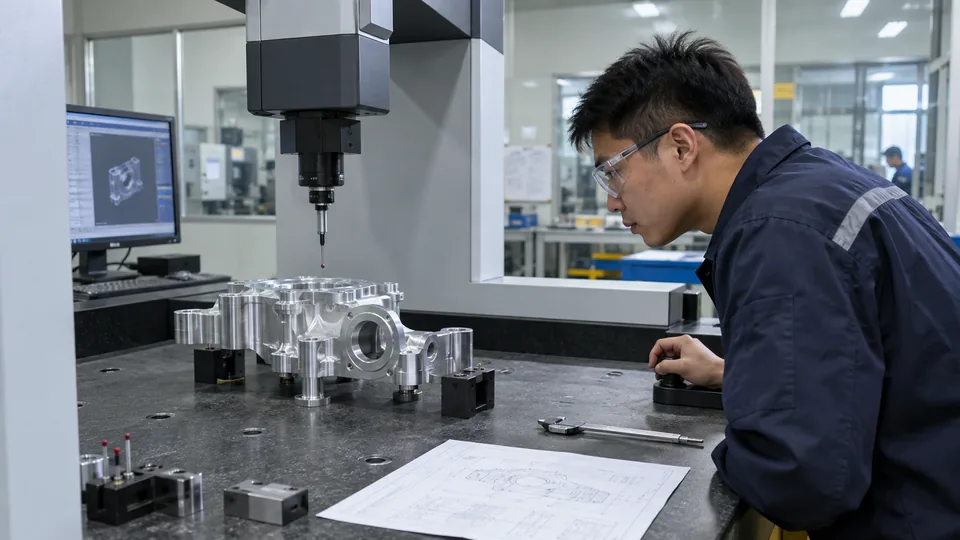
The first finished part should be checked against the approved revision. That may include measured dimensions, material confirmation, surface appearance and a fit test. A photograph beside a ruler is not evidence for a tight bore or location tolerance. The measuring method must suit the feature; a CMM is not automatically necessary, nor is a handheld caliper always adequate.
Agree which results the buyer must approve before the balance of the order runs. Ask how nonconformities are documented and whether a design waiver is allowed. A first part is most useful when it closes the assumptions left open during quotation.
| First-part evidence | Answers | Limit |
|---|---|---|
| Dimensional report | Were listed features measured? | Only sampled features |
| Fit test | Does assembly work? | May not diagnose cause |
7. How do finishes affect a custom part?

Finishing can protect against corrosion, change appearance or improve another specified property, but it can also change fit. A coated bore, thread or sealing face needs explicit masking or final-size requirements. A cosmetic sample may be needed because a written color name cannot describe every acceptable texture or tool mark.
Review Vastion’s surface treatment options at the drawing stage. State which dimensions apply after finish and which surfaces must remain untreated. Ask for a sample or process note when finish thickness influences an interface.
| Feature | Finish risk | Control |
|---|---|---|
| Thread | Reduced clearance | Mask or final gauge |
| Visible face | Appearance variation | Approved sample |
8. How are lead time and price built?
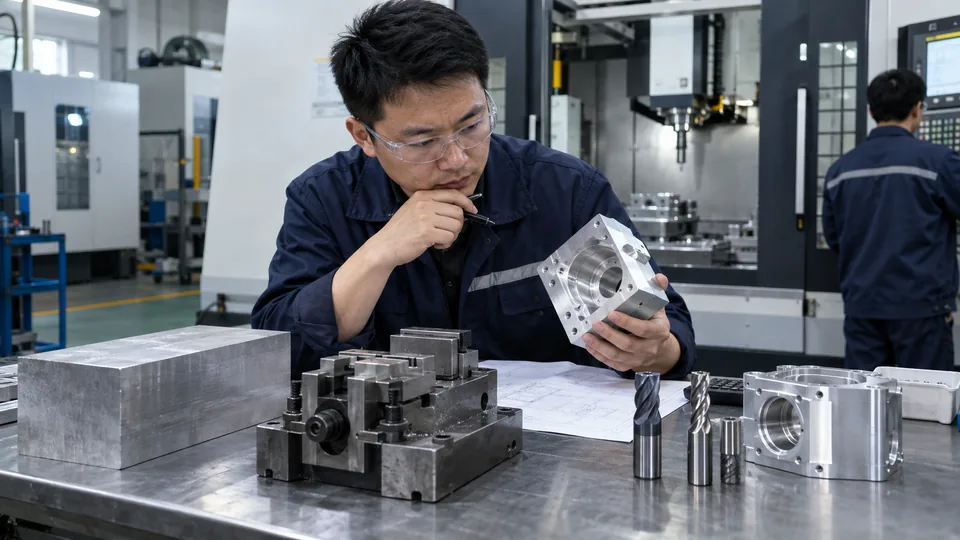
Custom pricing includes material, programming, fixtures, setup, cutting, inspection, finish and packaging. A one-piece prototype concentrates engineering effort into one unit; a repeat batch can spread it across many units if the design and setup remain valid. Lead time includes procurement and external finish queues, not just spindle time.
Request quantity tiers and identify one-time charges. If a quote is much lower than another, compare inspection reports, material certificates and finish scope. An omitted operation is not a manufacturing advantage. State the delivery destination and packaging requirements upfront.
| Quote element | One-time or recurring? | Buyer check |
|---|---|---|
| Programming and fixture | Mostly one-time | Revision assumptions |
| Material and cutting | Recurring | Quantity tiers |
9. When should a custom part use another process?
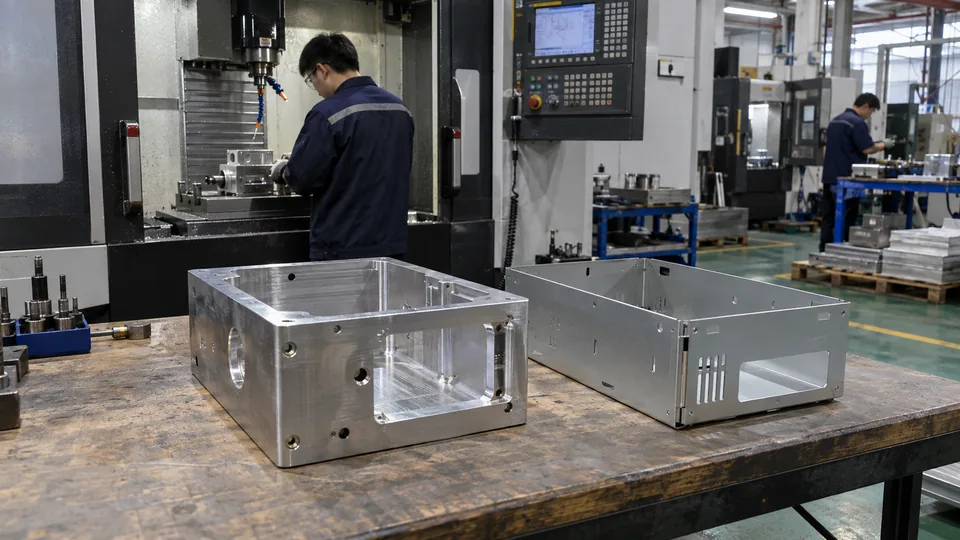
A thin enclosure may suit sheet metal, while a stable high-volume housing may suit die casting plus machining on critical faces. The alternative needs its own tooling, tolerance, finish and validation review. A machined prototype does not automatically replicate the material structure of a later cast part.
Compare complete delivered parts at the expected annual volume and likely design-change rate. Ask the supplier where machining remains necessary even if a near-net blank is adopted. This avoids a false choice between “all CNC” and “no CNC.”
| Condition | Option to review | Tradeoff |
|---|---|---|
| Thin formed shell | Sheet metal | Bend and joint design |
| Stable volume housing | Die casting | Tooling investment |
10. What should be retained for a repeat order?
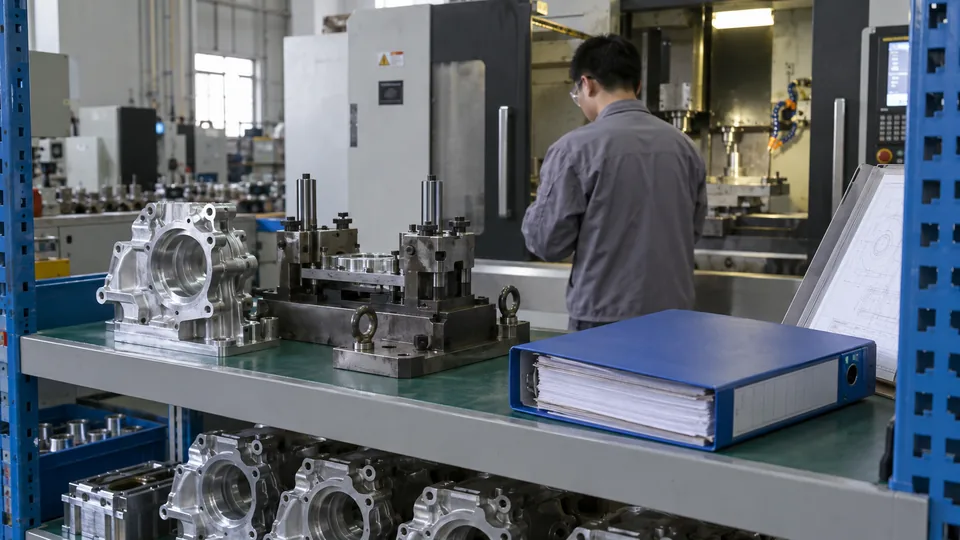
Keep the approved drawing, model revision, DFM decisions, first-part results, finish sample, packaging instructions and any deviation approval. The shop should retain its program, setup, fixture and inspection plan. A reorder should reference the last accepted revision and identify every change. This is how a custom part becomes repeatable without relying on one person’s memory.
Vastion’s industry overview shows the range of potential applications; your drawing still controls this specific part. Send the current RFQ through its contact page. Ask the supplier to list assumptions and any feature it cannot confidently make or measure. A clear exception is more useful than an unconditional “yes” that later becomes a dispute.
Frequently asked questions
Can I request a quote with only a photo?
A photo can start a discussion, but reliable production pricing needs geometry, material, quantity and acceptance requirements.
Do I need both a model and drawing?
Usually yes: the model supports geometry and programming, while the drawing or approved digital definition states acceptance.
Who approves DFM changes?
The buyer or designated design authority should approve any change to the controlled requirement.
Should I order all units before checking a sample?
For a new functional design, define a first-part approval point before full production where practical.
What is the most important reorder file?
The current controlled drawing and its linked approval records are the foundation for a repeat order.
