
CNC machining from prototype to production is not simply a quantity change. A prototype proves a design or assembly question. Production must repeat the accepted result across people, material lots, tools and dates. The transition requires a stable drawing, suitable fixture, controlled program, inspection plan and change rules. This guide shows buyers which evidence to collect at each gate so a successful sample does not become an unreliable batch.
1. What question should the first prototype answer?
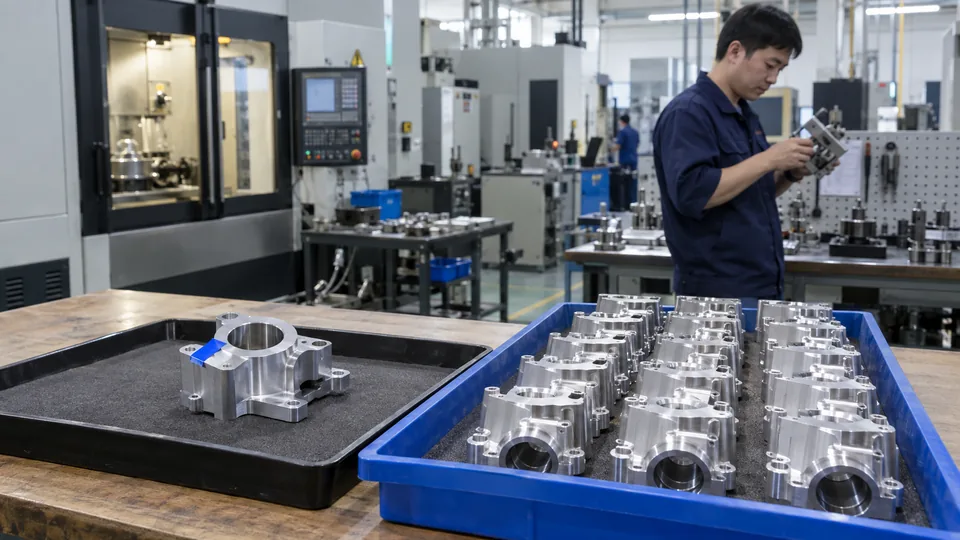
A prototype can test fit, motion, thermal contact or appearance, but one piece rarely proves all future production conditions. Define its purpose before ordering. If the question is whether a bracket fits an assembly, a simple material and finish may suffice. If the prototype must validate load or corrosion behavior, the production material and treatment may be necessary.
Record what the sample did and did not prove. Keep its drawing revision with the test results. Vastion’s CNC machining route offers flexibility for early iterations, but the buyer still owns the validation criteria.
| Prototype purpose | Evidence | Not yet proven |
|---|---|---|
| Assembly fit | Fit-test record | Long-run process stability |
| Functional test | Test result | Every future lot |
2. How should early revisions be controlled?
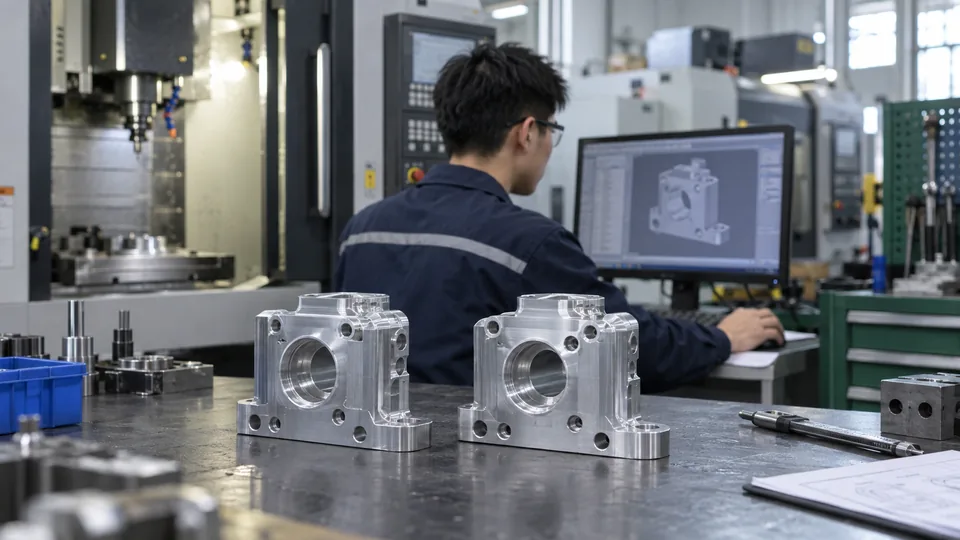
Development often changes a hole, wall or interface after each test. A shop can reprogram a new model, but old files must not stay in the production package. Use a revision identifier and a change note explaining why the feature moved. A new geometry can require different stock, tool access or inspection.
Send a complete model-and-drawing pair at every release, not an isolated screenshot. Ask the supplier to confirm the revision it quoted and programmed. If a deviation was accepted only for a prototype, state explicitly whether it carries into production.
| Change record | Purpose | Release check |
|---|---|---|
| New drawing | Defines acceptance | Matches model |
| Change note | Explains intent | Names affected tests |
3. When is the design ready for a pilot batch?
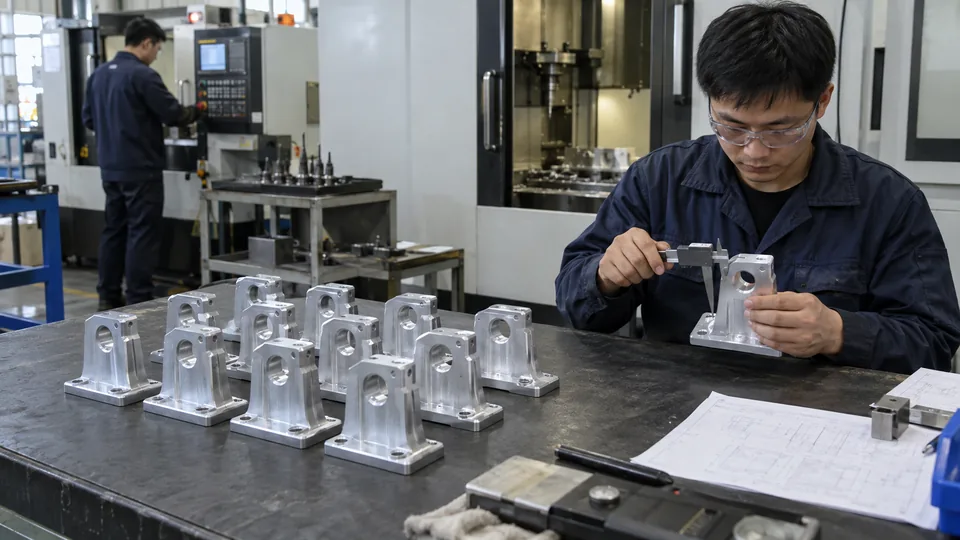
A pilot batch makes enough parts to expose loading, cutting and inspection variation that one sample may hide. Before it begins, agree on material grade, key dimensions, acceptable finish and the tests that will judge the batch. The design need not be immutable, but open questions must be listed rather than buried in production.
Ask for a DFM review focused on repeat loading and tool access. A part that needed hand adjustment to pass assembly is not ready merely because one unit worked. The pilot should deliberately check the variation most likely to affect function.
| Pilot input | Why needed | Decision |
|---|---|---|
| Critical-feature list | Directs inspection | Approve before cutting |
| Open-issue log | Prevents silent assumptions | Close or test |
4. How should fixtures evolve as quantity rises?
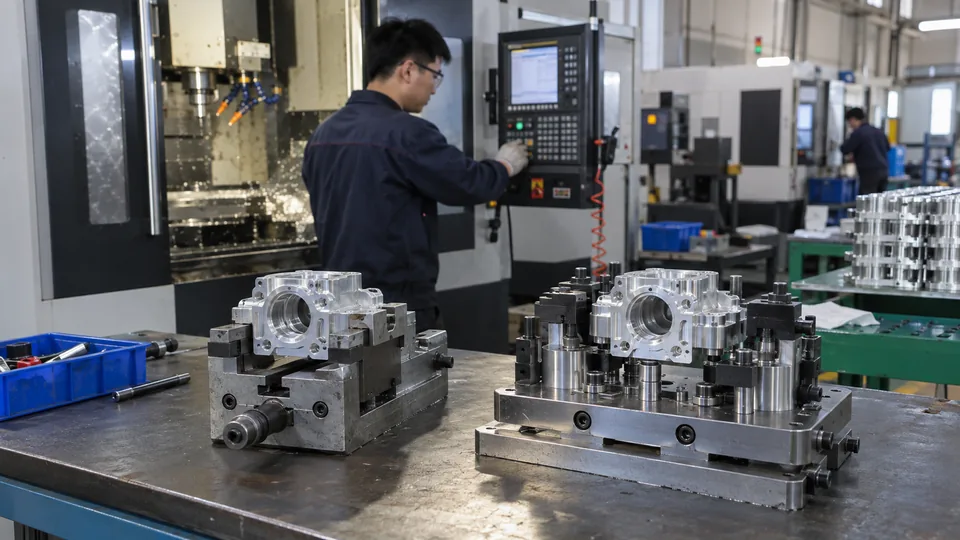
A vise setup can be appropriate for a handful of prototypes. Repeat volume may justify dedicated locators, stops or a fixture that reduces loading time and operator judgment. The new fixture can also change how the part distorts or which datum is used. It therefore needs a first-part check against the same drawing.
Ask the supplier to explain the fixture’s locating scheme, cleaning points and wear items. A fixture that loads quickly but seats inconsistently can increase scrap. For a rotational part, compare whether turning with a suitable collet or chuck can preserve the needed relationship.
| Setup | Strength | Validation need |
|---|---|---|
| Flexible prototype vise | Fast changes | Operator-dependent loading |
| Dedicated fixture | Repeatable locating | First-part after introduction |
5. What changes in the program and tool plan?
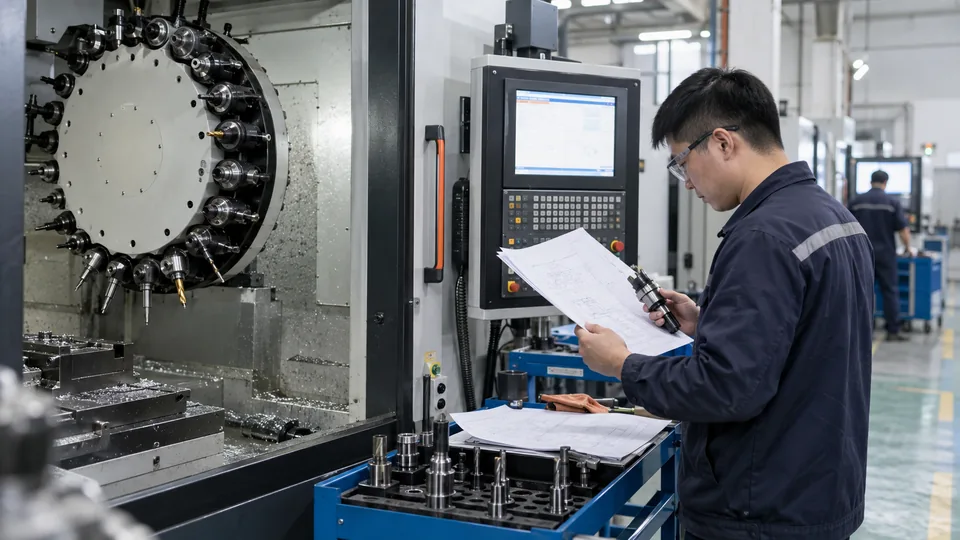
A prototype program may prioritize quick engineering feedback. Production programming may optimize operation order, tool life, cycle time and unattended consistency, but changes must preserve the approved dimensions and finish. A different cutter or machine can alter the result even when the nominal model is unchanged.
Keep the approved program revision and setup sheet together. Ask which changes a machinist may make through offsets and which require engineering approval. Manufacturing.gov explains CAM as digital manufacturing planning; the real production route also depends on verified tools and fixtures.
| Production change | Possible effect | Control |
|---|---|---|
| New tool | Different deflection or finish | First-part check |
| New machine | Different offsets and dynamics | Route revalidation |
6. How does first-article inspection differ from routine checks?
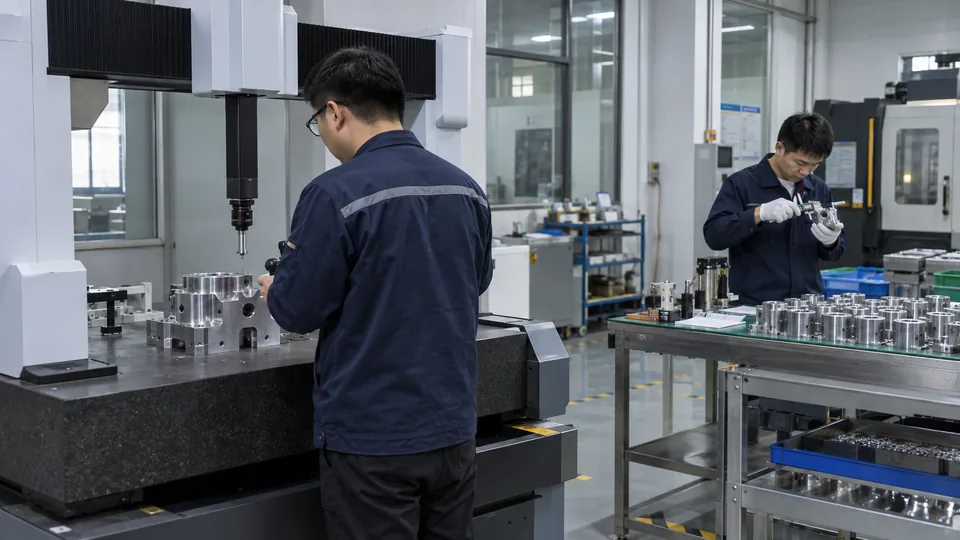
A first-article inspection checks an initial part after a new or changed setup against the controlled drawing. Routine in-process checks monitor selected features during the run. The first report cannot prove every later unit, and sampling cannot replace an unclear drawing. Measurement method and acceptance criteria should be specified before production.
Choose checks around the features likely to drift with tool wear, temperature or clamping. NIST’s machining-measurement research underscores the role of measurement in operations. Ask for recorded values where a simple “pass” would not help diagnose a problem.
| Check | When | Purpose |
|---|---|---|
| First article | New or changed setup | Release the route |
| In-process sample | During the batch | Detect drift |
7. How should material and finishing be controlled?
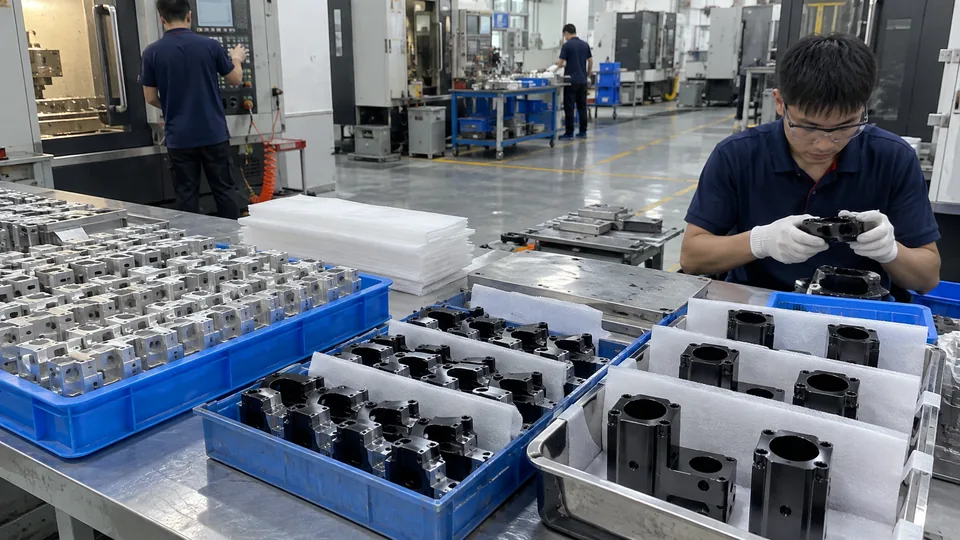
Production may use a different stock lot or a larger purchase form than the prototype. Confirm the specified grade and condition, and link certificates to delivered parts if required. Finishing adds another source of variation: coating can change dimensions or appearance, and a new finish supplier may produce a different result.
State which dimensions apply after finish and whether surfaces need masking. Refer to Vastion’s surface treatment options during planning, then approve a project-specific sample. A prototype tested in bare metal may need another fit check after the production finish.
| Change | Risk | Check |
|---|---|---|
| New material lot | Identity or behavior | Lot trace and first part |
| Production coating | Fit or appearance | Finished-state approval |
8. When should the process be frozen?
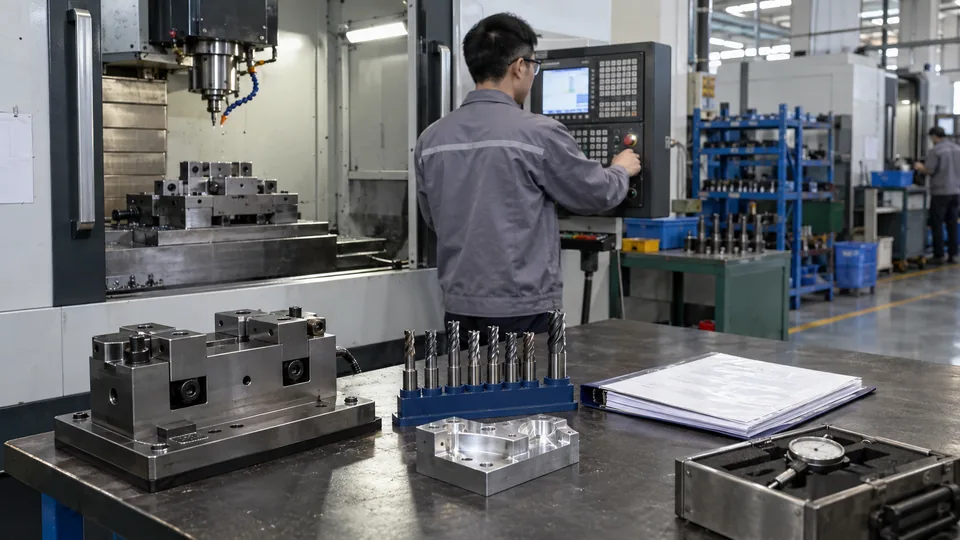
A process freeze means the drawing revision, material, route, fixture, program, finishing and inspection plan have an approved baseline. It should follow a successful pilot rather than precede learning. After freeze, changes are still possible, but they need documented review and perhaps new samples. The level of revalidation should match the effect on function.
Write down who can authorize a design change, process change or deviation. A buyer may accept a noncritical cosmetic variation but reject a shifted mating hole. Without defined authority, production teams may make sensible local fixes that create an uncontrolled product.
| Change type | Approver | Possible evidence |
|---|---|---|
| Drawing revision | Design authority | New first article |
| Tool replacement | Process authority | Targeted recheck |
9. How do quantity and economics change the route?
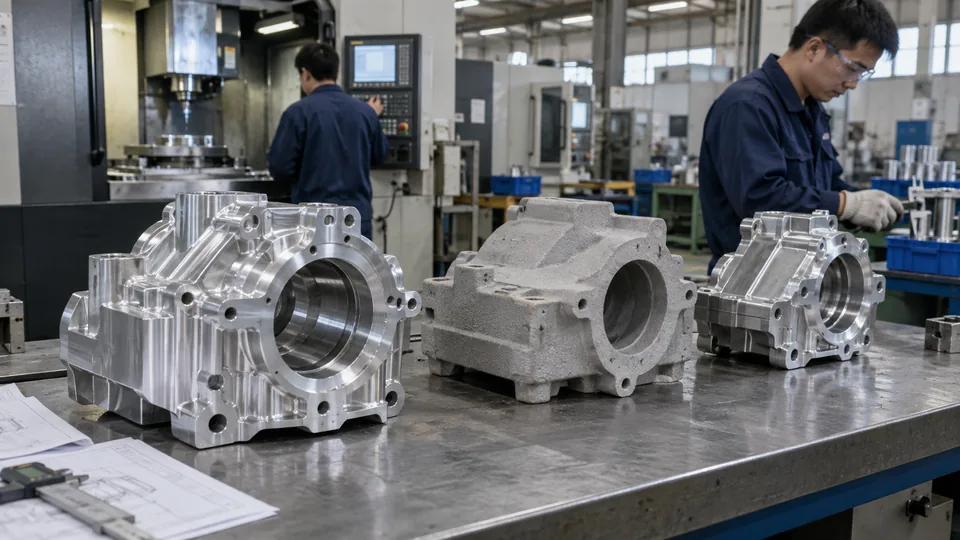
As demand grows, a dedicated fixture and optimized cycle may lower recurring cost. At larger stable volume, a near-net blank can reduce stock removal. The economic comparison must include tooling investment, scrap, finishing, inspection and likely future revisions. The best route at ten pieces may not be the best at ten thousand.
Request price tiers using the same finished-part specification. Compare die casting or sheet metal where geometry warrants it. A casting may still require machining on critical bores and faces, so plan the transition as a new validation event.
| Volume pattern | Likely investment | Decision factor |
|---|---|---|
| Small changing batch | Flexible setup | Revision risk |
| Stable repeat volume | Fixture or near-net tool | Total cost |
10. What should accompany the first production order?
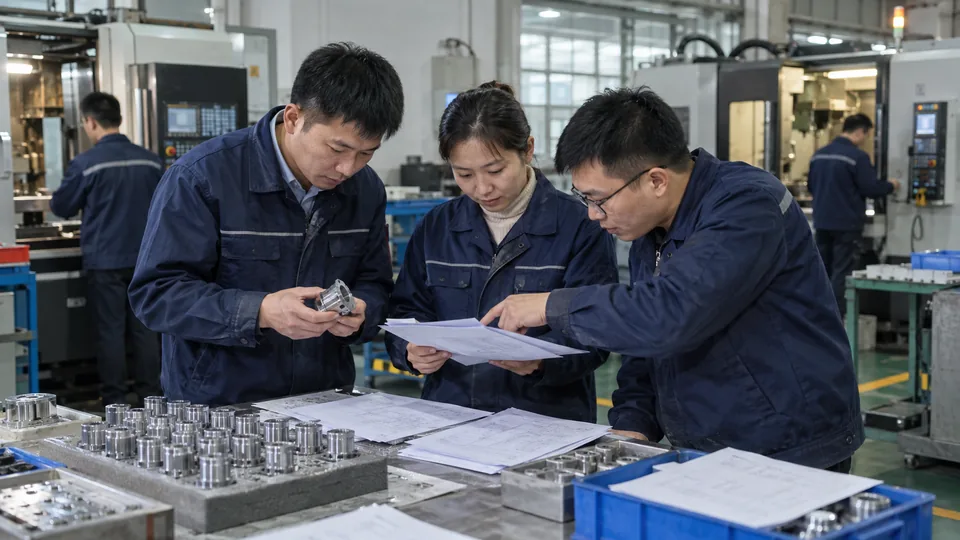
Issue the final drawing and model revision, quantity, material and finish requirements, pilot acceptance record, inspection plan, packaging rules and delivery schedule. Name the approved process baseline and change triggers. Ask the supplier to confirm that its production quote includes the same scope as the pilot, especially any manual deburring, outsourced finish or special report.
Vastion’s industry overview gives application context, while its confidentiality policy can frame file handling. Send the controlled package through the contact page. Keep one source of truth for later reorders. A successful transition is demonstrated by repeat accepted parts, not by a production label on the purchase order.
Frequently asked questions
Does an approved prototype mean production is approved?
No. It proves only the tests performed on that sample and route.
When do I need a pilot batch?
Use one when a single sample cannot reveal loading, tool-wear or finish variation relevant to the application.
Must the production program match the prototype program?
Not always, but a revised route must be validated against the same approved requirements.
What is a process freeze?
It is an approved baseline for files, material, setup, program, finish and inspection, with controlled changes afterward.
Can a cast production part replace a machined prototype without new tests?
Do not assume so; the material form and manufacturing variation change and require application-specific validation.
