
परिचय
Medical CNC machining plays an essential role in the production of high-quality, precise components for the medical industry. Whether it’s creating intricate surgical instruments, customized prosthetics, or life-saving diagnostic equipment, precision is paramount. The medical industry relies on CNC machining for the consistent production of complex parts that adhere to the highest safety and regulatory standards. In this article, we will explore why CNC machining is integral to modern healthcare, the types of devices and materials used, and how manufacturers ensure the precision and reliability needed to improve patient outcomes. Keep reading to uncover the secrets behind this invaluable process.
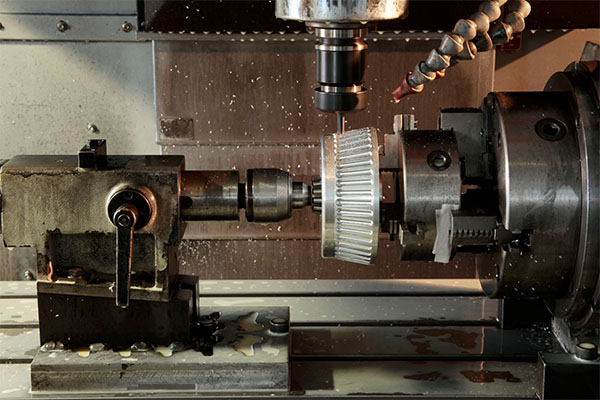
1. The Importance of CNC Machining in the Medical Industry
What Role Does CNC Machining Play in Healthcare?
CNC machining is a crucial technology in the medical field, ensuring that medical devices meet exacting standards. Precision is not just a nice-to-have; it’s a necessity in the medical world. A small deviation in measurements can lead to significant safety risks, making CNC machining essential for the creation of medical parts that require exact tolerances. Whether producing components for implants, diagnostic tools, or surgical instruments, the ability to work with incredibly tight tolerances ensures that these parts function as intended without fail. CNC machining’s ability to work with complex geometries and diverse materials also contributes to the development of innovative medical solutions.
Why CNC Machining is the Preferred Manufacturing Method
One of the reasons CNC machining is so prevalent in medical device manufacturing is its flexibility. CNC machines can create complex, high-precision parts from a wide range of materials, ensuring medical professionals get exactly what they need. Compared to other methods, such as injection molding or manual machining, CNC provides superior accuracy and repeatability. For example, the ability to make adjustments on the fly allows manufacturers to meet specific regulatory requirements, such as those set by the FDA and ISO standards, ensuring that medical devices are both safe and effective. The speed and reliability of CNC machining also make it ideal for fast-paced medical device production.
2. Key Advantages of CNC Machining for Medical Applications
Unmatched Precision
CNC machining offers unparalleled precision, which is a vital requirement in the medical industry. Each part must be manufactured to exact specifications, and CNC technology ensures that even the smallest details are accurate. Whether creating micro-sized surgical instruments or large prosthetic components, the machine’s precision remains consistent throughout the manufacturing process. This high level of accuracy is why CNC machining is the go-to method for producing medical parts that demand strict tolerances.
अनुकूलन और लचीलापन
Another major advantage of CNC machining in the medical field is its flexibility in customization. The ability to create parts that fit specific patient needs or surgeon preferences is invaluable in medical applications. From custom implants to uniquely shaped surgical tools, CNC machining allows for rapid prototyping and design changes, enabling manufacturers to create one-of-a-kind solutions for individual patients. This adaptability also allows companies to produce limited runs of specialized devices or tools without sacrificing quality.
Consistency in Manufacturing
CNC machines excel in providing consistent results, even when producing large batches of medical components. Once a design is set, the machine can consistently produce parts that meet the same high-quality standards every time. This consistency is crucial for ensuring that each medical device performs reliably and safely. In a field where precision and uniformity are critical, CNC machining helps manufacturers maintain the highest quality standards.
Reduced Time-to-Market
CNC machining significantly reduces the time required to manufacture medical devices, which is essential in the competitive healthcare industry. Faster production times mean quicker time-to-market, which can lead to faster availability of critical devices for healthcare providers. This is especially important in emergency situations or when new medical technologies need to be rapidly developed and tested.
3. Types of CNC Machines Used in Medical Manufacturing
Vertical and Horizontal Milling Machines
Milling machines, both vertical and horizontal, are commonly used in the medical manufacturing process. Vertical milling machines are ideal for producing precise cuts on smaller parts, while horizontal mills are used for larger components that require a different cutting angle. These machines play a crucial role in shaping parts like orthopedic implants, surgical tools, and other medical devices. The flexibility of milling machines enables manufacturers to create complex designs with great accuracy, making them indispensable in the production of medical parts.
Lathes and Turning Centers
Lathes and turning centers are used to create round or cylindrical medical components, such as prosthetics, shafts, and surgical handles. CNC lathes use a rotating workpiece and a stationary cutting tool to shape components, ensuring that each part is turned to the desired specifications. Turning centers offer increased flexibility and automation, allowing for more intricate designs and improved efficiency. These machines are commonly used in the production of medical tools and implants that require high durability and precision.
EDM (Electrical Discharge Machining)
Electrical Discharge Machining (EDM) is often used in medical device production when parts require extremely intricate designs or tight tolerances. EDM uses electrical sparks to shape conductive materials, making it ideal for cutting small, delicate parts. This method is especially useful for producing complex surgical instruments or precision diagnostic tools that require a high degree of accuracy, such as catheters, medical electrodes, and other sensitive components.
3-Axis vs 5-Axis CNC Machines
The difference between 3-axis and 5-axis CNC machines lies in their ability to move the cutting tool. 3-axis machines work along the X, Y, and Z planes, while 5-axis machines offer additional rotational movement. The increased movement capabilities of 5-axis machines allow for more complex geometries and improved precision, making them the preferred choice for high-complexity medical parts. With the ability to machine on multiple planes at once, 5-axis CNC machines can reduce production time and enhance accuracy for detailed medical components.
4. Materials Commonly Used in Medical CNC Machining
Biocompatible Materials
In medical CNC machining, biocompatibility is a crucial factor. Medical parts, such as implants, surgical instruments, and prosthetics, must be made from materials that are not only durable but also safe for use in the human body. Materials like titanium, stainless steel, PEEK, and certain plastics are commonly used in CNC machining because they do not cause adverse reactions when implanted or used in medical procedures. Using biocompatible materials ensures that the parts are safe for long-term use and reduce the likelihood of complications.
How Material Choice Affects Precision
The material used in CNC machining has a direct impact on the precision of the final product. Harder materials, such as titanium, require more advanced cutting techniques and higher-powered machines. Conversely, softer materials are easier to shape but may not provide the same durability or strength. Choosing the right material for a specific medical part ensures that it meets both the performance and precision requirements of the application.
Durability and Sterilization Requirements
In addition to biocompatibility, medical components must be durable and easy to sterilize. The materials chosen for CNC machining must withstand repeated sterilization processes without degrading or losing functionality. For example, surgical instruments and implants must be able to endure autoclaving, a common sterilization method that uses high-pressure steam. Durability is essential for ensuring that the medical device can perform effectively throughout its lifespan, especially when exposed to harsh medical environments.
5. Medical Device Categories Manufactured Using CNC Machining
Orthopedic Implants
CNC machining plays a vital role in the production of orthopedic implants, which are used to replace or repair damaged bones and joints. Parts such as hip replacements, knee implants, and spinal fusion devices all require a high degree of precision to fit properly and function effectively. CNC machining ensures that these parts are created with the exact dimensions required for successful implantation. The customizability and flexibility of CNC machining also make it possible to produce patient-specific implants for a perfect fit.
Surgical Instruments
The precision of CNC machining is crucial in the production of surgical instruments, where even the smallest flaw can have significant consequences. From scalpels and forceps to more complex tools like surgical drills, CNC machines allow for the accurate shaping of high-performance surgical tools. These instruments must not only be precise but also durable and easy to sterilize, making CNC machining the ideal method for creating reliable surgical instruments that meet stringent regulatory standards.
Prosthetics
CNC machining is increasingly used in the production of custom prosthetics, allowing for highly individualized solutions for patients. Whether it’s a custom limb, dental implant, or hearing aid, CNC machining offers the flexibility to create prosthetics that are perfectly tailored to a patient’s body. Advanced technology allows manufacturers to create personalized devices with exact specifications, ensuring that the prosthetic fits and functions optimally.
Diagnostic Equipment
Medical diagnostic equipment, such as imaging machines, blood analyzers, and diagnostic probes, also relies on the precision of CNC machining. These devices require highly accurate parts that must function properly under stringent conditions. CNC machining ensures that the components used in diagnostic equipment are crafted with the highest degree of precision and reliability, which is critical for accurate diagnosis and patient care.
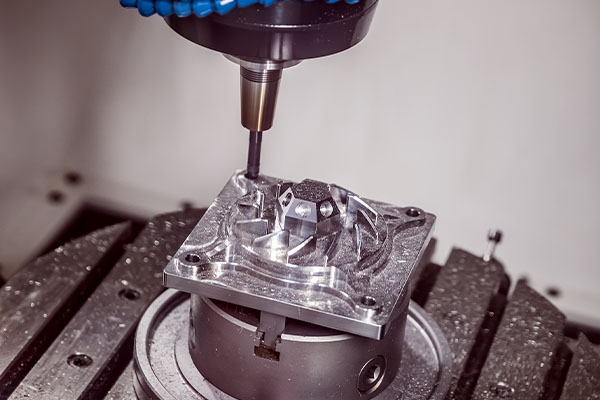
6. The CNC Machining Process in Medical Manufacturing
Step-by-Step Process of CNC Machining
CNC machining for medical devices follows a structured, methodical process that includes several key stages. The first step is the design phase, where engineers create the blueprint for the part using CAD software. Once the design is complete, it’s transferred to the CNC machine, which precisely cuts, shapes, and finishes the material based on the digital model. The final step involves quality control, where each part is inspected to ensure it meets the required tolerances and regulatory standards.
The Role of CAD/CAM in CNC Machining
Computer-Aided Design (CAD) and Computer-Aided Manufacturing (CAM) software are integral to the CNC machining process. CAD allows for the design of intricate parts, while CAM software converts these designs into machine instructions. This seamless integration of software and hardware enables manufacturers to create complex medical components with high precision and efficiency. By automating much of the process, CAD/CAM reduces human error and speeds up production.
Precision and Calibration in Every Step
Throughout the entire CNC machining process, precision is of the utmost importance. Calibration ensures that the CNC machine is set to the correct specifications before production begins. The machine’s cutting tools are also calibrated to maintain accuracy, and every step of the process is carefully monitored to ensure the part meets the required standards. Precision is maintained at each stage, ensuring that the final product will perform as intended in the medical setting.
7. Regulatory Standards and Compliance for Medical CNC Machining
FDA Regulations
In the medical industry, regulatory compliance is a critical aspect of CNC machining. The FDA (Food and Drug Administration) oversees the manufacturing of medical devices to ensure they are safe and effective for patient use. CNC machining companies must adhere to FDA regulations regarding the design, manufacturing, and testing of medical devices, including meeting specific requirements for material use, sterilization, and biocompatibility.
ISO Certifications
ISO 13485 is a global standard for quality management systems in the medical device industry. CNC machining companies that hold ISO certification demonstrate their commitment to producing high-quality, reliable products. This certification ensures that manufacturers follow stringent processes to meet the needs of the healthcare sector. Compliance with ISO standards provides an extra layer of assurance that the medical devices produced are safe, reliable, and of the highest quality.
CE Marking
In Europe, CE marking is required for medical devices sold within the European Economic Area. This mark indicates that the device meets all the necessary safety and performance requirements as defined by EU regulations. CNC machining companies that produce medical devices for the European market must ensure their products meet CE standards, which cover everything from material safety to performance testing.
Other Industry-Specific Compliance Requirements
In addition to FDA regulations, ISO certifications, and CE marking, there are other compliance requirements for medical device manufacturing. These include adherence to local regulations, as well as industry-specific standards that apply to different types of medical devices, such as dental implants or diagnostic equipment. Manufacturers must stay up to date on these requirements to ensure their products are market-ready and safe for patient use.
8. Challenges in Medical CNC Machining
Complexity of Medical Parts
Medical device designs often involve highly complex geometries, which can pose challenges for CNC machining. Parts must meet precise specifications while also fitting together perfectly within a larger assembly. The complexity of these designs means that CNC machines must be capable of handling intricate cuts and small tolerances, often requiring the latest technologies and highly skilled operators.
Achieving Consistency Across Batches
Another challenge in medical CNC machining is maintaining consistency across production batches. Even slight variations in parts can lead to performance issues or safety concerns. Manufacturers must invest in quality control systems and advanced CNC machines to ensure that every part, regardless of when it’s produced, meets the same high standards.
लागत और समय की बाधाएँ
हालांकि सीएनसी मशीनिंग कई लाभ प्रदान करती है, लेकिन इसके साथ लागत और समय से संबंधित चुनौतियां भी जुड़ी हुई हैं। सीएनसी मशीनरी की उच्च लागत, साथ ही सेटअप और कैलिब्रेशन के लिए आवश्यक समय, निर्माताओं के लिए चिंता का विषय हो सकता है। हालांकि, सटीकता और निरंतरता के लाभ अक्सर इन लागतों से कहीं अधिक होते हैं, विशेष रूप से चिकित्सा उद्योग में जहां गुणवत्ता सर्वोपरि है।
उत्पादन में अनुपालन बनाए रखना
सख्त नियामक आवश्यकताओं का पालन करने की जरूरत भी सीएनसी मशीनिस्टों के लिए चुनौतियां पेश करती है। चिकित्सा उपकरण निर्माताओं को एफडीए और आईएसओ मानकों जैसे नियमों का अनुपालन सुनिश्चित करने के लिए अपनी प्रक्रियाओं की लगातार निगरानी करनी चाहिए। इसके लिए निरंतर प्रशिक्षण, नई तकनीकों में निवेश और कठोर परीक्षण की आवश्यकता होती है, जो कि समय लेने वाला और महंगा हो सकता है।
9. मेडिकल सीएनसी मशीनिंग का भविष्य
सीएनसी प्रौद्योगिकी में प्रगति
जैसे-जैसे सीएनसी मशीनिंग तकनीक विकसित हो रही है, चिकित्सा उद्योग को नए नवाचारों से लाभ मिलने की संभावना है। मल्टी-एक्सिस मशीनों, लेजर मशीनिंग और बेहतर स्वचालन जैसी प्रगति निर्माताओं को और भी अधिक सटीक और जटिल चिकित्सा उपकरण बनाने में सक्षम बना रही है। ये नवाचार उत्पादन समय को कम कर रहे हैं और चिकित्सा घटकों की समग्र गुणवत्ता में सुधार कर रहे हैं, जिससे सीएनसी मशीनिंग स्वास्थ्य सेवा विनिर्माण के लिए और भी अधिक अभिन्न अंग बन गई है।
3डी प्रिंटिंग और सीएनसी हाइब्रिड सिस्टम
मेडिकल सीएनसी मशीनिंग के क्षेत्र में सबसे रोमांचक विकासों में से एक हाइब्रिड सिस्टम का उदय है जो सीएनसी मशीनिंग को 3डी प्रिंटिंग तकनीकों के साथ जोड़ते हैं। ये हाइब्रिड सिस्टम ठोस और जटिल ज्यामितियों दोनों के तेजी से उत्पादन की अनुमति देते हैं, जिससे निर्माताओं को कस्टम मेडिकल कंपोनेंट को अधिक कुशलता से बनाने की सुविधा मिलती है। यह एकीकरण मेडिकल इंप्लांट्स, प्रोस्थेटिक्स और अन्य अत्यधिक विशिष्ट उपकरणों के उत्पादन में क्रांति ला सकता है।
व्यक्तिगत चिकित्सा और अनुकूलन
स्वास्थ्य सेवा में व्यक्तिगत चिकित्सा एक बढ़ता हुआ चलन है, और सीएनसी मशीनिंग अनुकूलित चिकित्सा समाधानों को वास्तविकता बनाने में महत्वपूर्ण भूमिका निभा रही है। सीएनसी तकनीक की मदद से निर्माता व्यक्तिगत रोगियों की जरूरतों के अनुरूप विशेष उपकरण बना सकते हैं, जिससे उपचार के परिणाम और रोगी संतुष्टि में सुधार होता है। कस्टम इंप्लांट से लेकर व्यक्तिगत सर्जिकल उपकरणों तक, सीएनसी मशीनिंग की लचीलता और सटीकता व्यक्तिगत चिकित्सा आंदोलन को समर्थन देने के लिए आवश्यक है।
10. चिकित्सा उद्योग में सीएनसी मशीनिंग की लागत
लागत को प्रभावित करने वाले कारक
चिकित्सा उद्योग में सीएनसी मशीनिंग की लागत कई कारकों पर निर्भर करती है। इनमें उपयोग की जाने वाली सामग्री, डिजाइन की जटिलता, उत्पादित किए जा रहे पुर्जों की मात्रा और मशीन सेटअप का समय शामिल हैं। टाइटेनियम या विशेष प्रकार के प्लास्टिक जैसी सामग्री अक्सर अधिक लागत वाली होती हैं, जबकि कम महंगी सामग्री से बने सरल घटक अधिक किफायती हो सकते हैं। पुर्जे की जटिलता जितनी अधिक होगी, मशीनिंग की लागत उतनी ही अधिक होगी, क्योंकि इसके लिए अतिरिक्त समय और सटीकता की आवश्यकता होती है।
दीर्घकालिक विनिर्माण में सीएनसी मशीनिंग लागत-प्रभावी कैसे है?
शुरुआती उच्च लागत के बावजूद, सीएनसी मशीनिंग लंबे समय में लागत प्रभावी साबित होती है। कम से कम बर्बादी के साथ बड़ी मात्रा में अत्यधिक सटीक पुर्जे बनाने की क्षमता के साथ, सीएनसी मशीनिंग निर्माताओं को समय के साथ लागत कम रखने में मदद करती है। इसके अलावा, सीएनसी मशीनें चौबीसों घंटे काम कर सकती हैं, जिससे श्रम लागत कम होती है और उत्पादन गति बढ़ती है।
मेडिकल सीएनसी मशीनिंग में कीमत बनाम गुणवत्ता
चिकित्सा उद्योग में, गुणवत्ता को हमेशा कीमत से अधिक महत्व दिया जाना चाहिए। हालांकि अन्य विनिर्माण विधियों की तुलना में सीएनसी मशीनिंग महंगी लग सकती है, लेकिन यह बेहतर सटीकता और विश्वसनीयता प्रदान करती है, जो चिकित्सा उपकरणों की सुरक्षा के लिए आवश्यक है। सीएनसी मशीनिंग में लापरवाही बरतने से दोषपूर्ण पुर्जे बन सकते हैं, जिससे मरीज़ों के स्वास्थ्य को खतरा हो सकता है। इसलिए, उच्च गुणवत्ता वाली सीएनसी मशीनिंग में निवेश करने से यह सुनिश्चित होता है कि चिकित्सा उपकरण सभी सुरक्षा और नियामक मानकों को पूरा करते हैं।
11. मेडिकल सीएनसी मशीनिंग में गुणवत्ता नियंत्रण
निरीक्षण विधियाँ
मेडिकल सीएनसी मशीनिंग में गुणवत्ता नियंत्रण अत्यंत महत्वपूर्ण है। पुर्जों को कठोर निरीक्षण विधियों, जैसे कि दृश्य निरीक्षण, लेजर स्कैनिंग और कोऑर्डिनेट मेजरिंग मशीन (सीएमएम) के अधीन किया जाता है, ताकि यह सुनिश्चित किया जा सके कि वे सख्त सहनशीलता आवश्यकताओं को पूरा करते हैं। ये निरीक्षण यह सत्यापित करने के लिए महत्वपूर्ण हैं कि प्रत्येक घटक इच्छानुसार कार्य करेगा और सभी सुरक्षा नियमों का पालन करेगा।
सहनशीलता और उनका महत्व
चिकित्सा उद्योग में, सहनशीलता के मानक बेहद सख्त होते हैं, और यहां तक कि सबसे छोटा विचलन भी उत्पाद की विफलता का कारण बन सकता है। चिकित्सा उपकरणों की सटीकता और विश्वसनीयता सुनिश्चित करने के लिए, सीएनसी मशीनों को अत्यंत सटीक सहनशीलता के भीतर काम करने में सक्षम होना चाहिए, जिसे अक्सर माइक्रोन में मापा जाता है। इस स्तर की सटीकता न केवल कार्यात्मक उद्देश्यों के लिए बल्कि रोगी की सुरक्षा सुनिश्चित करने के लिए भी आवश्यक है।
उत्पादन के सभी चरणों में गुणवत्ता बनाए रखना
सभी उत्पादन चरणों में एकसमान गुणवत्ता बनाए रखना कई उद्योगों के लिए एक चुनौती है, लेकिन सीएनसी मशीनिंग इस मामले में उत्कृष्ट है। प्रत्येक बैच में एक ही प्रोग्राम और सेटिंग्स का उपयोग करके, सीएनसी मशीनें यह सुनिश्चित करती हैं कि प्रत्येक भाग एक जैसा हो। चिकित्सा उद्योग में यह एकरूपता अत्यंत महत्वपूर्ण है, जहां प्रत्येक उपकरण को हर बार समान उच्च मानकों को पूरा करना होता है।
गुणवत्ता आश्वासन के लिए उन्नत प्रौद्योगिकियाँ
गुणवत्ता आश्वासन प्रौद्योगिकियों में हो रही प्रगति निर्माताओं को सीएनसी मशीनिंग में उच्चतम मानकों को बनाए रखने में मदद कर रही है। स्वचालित इन-लाइन निरीक्षण उपकरण और रोबोटिक आर्म जैसी नई प्रणालियाँ मानवीय त्रुटियों को कम कर रही हैं और सटीकता बढ़ा रही हैं। ये नवाचार गुणवत्ता नियंत्रण की दक्षता और प्रभावशीलता में सुधार कर रहे हैं, जिससे यह सुनिश्चित हो रहा है कि चिकित्सा उपकरण आवश्यक मानकों को पूरा करते रहें।
12. चिकित्सा नवाचार में सीएनसी मशीनिंग की भूमिका
नए चिकित्सा उपकरणों को सक्षम बनाना
सीएनसी मशीनिंग केवल विनिर्माण का एक उपकरण नहीं है; यह चिकित्सा क्षेत्र में नवाचार की एक प्रेरक शक्ति है। अत्याधुनिक प्रत्यारोपणों के निर्माण से लेकर जीवन रक्षक नैदानिक उपकरणों के विकास तक, सीएनसी मशीनिंग निर्माताओं को स्वास्थ्य सेवा में जो संभव है उसकी सीमाओं को आगे बढ़ाने में सक्षम बनाती है। चिकित्सा प्रौद्योगिकी के निरंतर विकास के साथ, सीएनसी मशीनिंग की सटीकता और अनुकूलन क्षमता यह सुनिश्चित करती है कि निर्माता उद्योग की बढ़ती मांगों को पूरा कर सकें। नवाचार करने की यह क्षमता नए चिकित्सा उपकरणों को बाजार में लाने के लिए महत्वपूर्ण है जो रोगियों के परिणामों में सुधार करते हैं और स्वास्थ्य देखभाल प्रथाओं को बढ़ाते हैं।
चिकित्सा उपकरणों के लिए तीव्र प्रोटोटाइपिंग
चिकित्सा क्षेत्र में नवाचार के क्षेत्र में सीएनसी मशीनिंग का सबसे मूल्यवान पहलू नई उपकरणों के तेजी से प्रोटोटाइप बनाने की इसकी क्षमता है। पहले, चिकित्सा उपकरणों का प्रोटोटाइप बनाना एक धीमी और महंगी प्रक्रिया थी, लेकिन सीएनसी मशीनिंग इस चरण को काफी तेज कर देती है। निर्माता तेजी से प्रोटोटाइप बना सकते हैं और उनका परीक्षण कर सकते हैं, समायोजन कर सकते हैं और फिर उत्पादन के साथ आगे बढ़ सकते हैं। इससे विकास का समय कम हो जाता है और तेजी से परीक्षण और पुनरावृति संभव हो पाती है, जो ऐसे क्षेत्र में महत्वपूर्ण है जहां गति जीवन और मृत्यु के बीच का अंतर हो सकती है।
सटीक उपकरणों के साथ शल्य चिकित्सा तकनीकों में सुधार
सर्जिकल तकनीकों को बेहतर बनाने में सीएनसी मशीनिंग की सटीकता भी महत्वपूर्ण भूमिका निभाती है। शल्य चिकित्सा उपकरणों से लेकर रोबोटिक प्रणालियों तक, सटीक प्रतिकृतियां बनाने और उनमें सुधार करने की क्षमता सर्जनों को अधिक सटीकता के साथ ऑपरेशन करने की अनुमति देती है। इन सटीक उपकरणों के निर्माण से डॉक्टरों को अधिक आत्मविश्वास और दक्षता के साथ प्रक्रियाओं को करने में मदद मिलती है, जिससे रोगियों के बेहतर परिणाम प्राप्त होते हैं। उन्नत चिकित्सा पद्धतियों के लिए आवश्यक उपकरण प्रदान करके, सीएनसी मशीनिंग चिकित्सा प्रगति का एक अनिवार्य हिस्सा है।
13. मेडिकल सीएनसी मशीनिंग में विश्वास का महत्व
एक भरोसेमंद सीएनसी मशीनिंग पार्टनर का चयन करना
किसी भी चिकित्सा उपकरण निर्माता के लिए सही सीएनसी मशीनिंग पार्टनर का चयन करना अत्यंत आवश्यक है। ऐसी कंपनी का चयन करना महत्वपूर्ण है जिसके पास चिकित्सा उद्योग की कठोर आवश्यकताओं को पूरा करने के लिए विशेषज्ञता, अनुभव और प्रमाणपत्र हों। एक विश्वसनीय मशीनिंग पार्टनर के पास उच्च गुणवत्ता वाले, अनुरूप पुर्जे वितरित करने का एक मजबूत ट्रैक रिकॉर्ड होगा। एक अनुभवी प्रदाता के साथ काम करने से यह सुनिश्चित होता है कि आपके उपकरण सही ढंग से निर्मित होंगे, सुरक्षा मानकों को पूरा करेंगे और इच्छानुसार कार्य करेंगे।
गुणवत्ता और सटीकता क्यों मायने रखती है
चिकित्सा उद्योग में गुणवत्ता और सटीकता पर कोई समझौता नहीं किया जा सकता है। किसी चिकित्सा उपकरण में मामूली सी खामी भी भयावह विफलता का कारण बन सकती है। एक प्रतिष्ठित सीएनसी मशीनिंग कंपनी पर भरोसा करने से यह सुनिश्चित होता है कि स्वास्थ्य सेवा के लिए आप जिन उपकरणों पर निर्भर हैं, वे सटीकता और विश्वसनीयता के उच्चतम मानकों को पूरा करेंगे। जो निर्माता गुणवत्ता को प्राथमिकता देते हैं और सर्वोत्तम तकनीक और प्रतिभा में निवेश करते हैं, उन्हीं पर आप अपने चिकित्सा घटकों के लिए भरोसा कर सकते हैं।
निर्माताओं के साथ दीर्घकालिक संबंध बनाना
विश्वसनीय सीएनसी मशीनिंग भागीदारों के साथ दीर्घकालिक संबंध अनेक लाभ लाते हैं। निरंतर सहयोग यह सुनिश्चित करता है कि निर्माता हमेशा चिकित्सा उद्योग की बदलती जरूरतों के अनुरूप रहें। दीर्घकालिक संबंध बेहतर संचार और प्रत्येक परियोजना की आवश्यकताओं की गहरी समझ को भी बढ़ावा देता है। इन संबंधों को विकसित करके, निर्माता चुनौतियों का बेहतर अनुमान लगा सकते हैं और समय पर ऐसे समाधान प्रदान कर सकते हैं जो डिजाइन और नियामक मानकों दोनों को पूरा करते हों।
14. अक्सर पूछे जाने वाले प्रश्न: मेडिकल सीएनसी मशीनिंग के बारे में आपको जो कुछ भी जानना चाहिए
मेडिकल और नॉन-मेडिकल सीएनसी मशीनिंग में क्या अंतर है?
मेडिकल और नॉन-मेडिकल सीएनसी मशीनिंग के बीच मुख्य अंतर सटीकता का स्तर और नियामक आवश्यकताएं हैं। चिकित्सा उपकरणों के लिए अत्यंत सटीक मापन की आवश्यकता होती है और उन्हें एफडीए और आईएसओ द्वारा निर्धारित सख्त सुरक्षा मानकों का पालन करना चाहिए। गैर-चिकित्सा संबंधी भागों में इतनी उच्च स्तर की सटीकता या नियामक निगरानी की आवश्यकता नहीं हो सकती है, जिससे चिकित्सा क्षेत्र में सीएनसी मशीनिंग एक अधिक विशिष्ट प्रक्रिया बन जाती है।
सीएनसी मशीनिंग के माध्यम से चिकित्सा उपकरणों के निर्माण में कितना समय लगता है?
सीएनसी मशीनिंग के माध्यम से चिकित्सा उपकरणों के निर्माण में लगने वाला समय उपकरण की जटिलता और उसमें प्रयुक्त सामग्री पर निर्भर करता है। सरल घटकों के लिए, प्रक्रिया में केवल कुछ घंटे लग सकते हैं, जबकि जटिल भागों को पूरा करने में कई दिन लग सकते हैं। प्रोटोटाइपिंग आमतौर पर पूर्ण उत्पादन की तुलना में तेज़ होती है, लेकिन दोनों चरणों को सीएनसी मशीनिंग की गति और सटीकता से लाभ होता है।
एक मेडिकल सीएनसी मशीनिंग कंपनी के पास कौन-कौन से प्रमाणपत्र होने चाहिए?
एक विश्वसनीय medical CNC machining कंपनी के पास आईएसओ 13485 और एफडीए अनुपालन जैसे प्रमाणपत्र होने चाहिए। ये प्रमाणपत्र सुनिश्चित करते हैं कि कंपनी गुणवत्ता नियंत्रण और नियामक अनुपालन के लिए सख्त दिशानिर्देशों का पालन करती है। चिकित्सा उपकरणों के साथ काम करने वाली कंपनियों को यूरोपीय बाजार के लिए सीई मार्किंग जैसे अन्य प्रासंगिक मानकों को पूरा करने में भी सक्षम होना चाहिए।
क्या सभी चिकित्सा उपकरणों के लिए सीएनसी मशीनिंग सबसे अच्छा विकल्प है?
कई प्रकार के चिकित्सा उपकरणों के लिए सीएनसी मशीनिंग एक उत्कृष्ट विकल्प है, लेकिन यह हमेशा सबसे अच्छा विकल्प नहीं हो सकता है। कुछ उच्च मात्रा उत्पादन आवश्यकताओं के लिए, इंजेक्शन मोल्डिंग या कास्टिंग अधिक लागत प्रभावी हो सकती है। हालांकि, उच्च परिशुद्धता, जटिल ज्यामिति या कस्टम डिजाइन की आवश्यकता वाले उपकरणों के लिए, सीएनसी मशीनिंग आदर्श विकल्प है। प्रत्येक चिकित्सा उपकरण का मूल्यांकन उसकी विशिष्ट आवश्यकताओं के आधार पर किया जाना चाहिए ताकि सर्वोत्तम निर्माण विधि का निर्धारण किया जा सके।
आप यह कैसे सुनिश्चित करते हैं कि पुर्जे जैव-अनुकूल हैं?
किसी भी चिकित्सा उपकरण के लिए जैव अनुकूलता परीक्षण आवश्यक है जो मानव शरीर के संपर्क में आएगा। निर्माता टाइटेनियम, स्टेनलेस स्टील या मेडिकल-ग्रेड प्लास्टिक जैसी सही सामग्रियों का चयन करके जैव अनुकूलता सुनिश्चित करते हैं, जो प्रत्यारोपण के लिए सुरक्षित मानी जाती हैं। उपयोग के दौरान किसी भी प्रकार की प्रतिकूल प्रतिक्रिया न हो, यह सुनिश्चित करने के लिए सामग्रियों का मानव प्रतिरक्षा प्रणाली के साथ अनुकूलता का परीक्षण भी किया जाता है।
15. निष्कर्ष
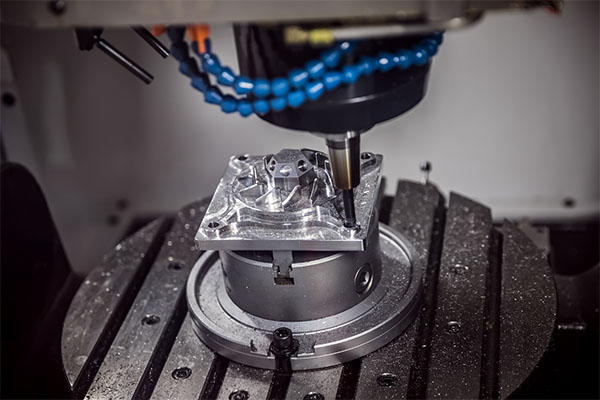
निष्कर्षतः, सीएनसी मशीनिंग चिकित्सा उपकरण निर्माण प्रक्रिया का एक अनिवार्य हिस्सा बन गया है। सटीक शल्य चिकित्सा उपकरण बनाने से लेकर अनुकूलित प्रत्यारोपण तैयार करने तक, सीएनसी मशीनिंग की बहुमुखी प्रतिभा और सटीकता उच्च गुणवत्ता वाले चिकित्सा उपकरणों के विकास में महत्वपूर्ण भूमिका निभाती है जो रोगियों के उपचार परिणामों में सुधार करते हैं। जैसे-जैसे प्रौद्योगिकी का विकास जारी रहेगा, चिकित्सा क्षेत्र में नवाचार को बढ़ावा देने और स्वास्थ्य सेवा की गुणवत्ता को बढ़ाने में सीएनसी मशीनिंग की भूमिका और भी महत्वपूर्ण होती जाएगी। विश्वसनीय निर्माताओं के साथ साझेदारी करके और कठोर गुणवत्ता नियंत्रण सुनिश्चित करके, चिकित्सा उद्योग सुरक्षित और प्रभावी स्वास्थ्य देखभाल समाधानों के लिए सीएनसी मशीनिंग पर निर्भर रहना जारी रख सकता है। किसी भी निर्माता या स्वास्थ्य सेवा प्रदाता के लिए, सीएनसी मशीनिंग में निवेश यह सुनिश्चित करता है कि चिकित्सा परिवेश में उपयोग किए जाने वाले उपकरण और यंत्र विश्वसनीय, प्रभावी और रोगियों के लिए सुरक्षित हों।
 Hindi
Hindi  English
  Japanese
  Korean
  Thai
Thai  Vietnamese
  Indonesian
  Malay
Malay  German
  French
  Spanish
  Italian
  Dutch
Dutch  Russian
  Polish
  Portuguese
  Arabic
  Turkish
  Hebrew
  Bengali
  Ukrainian