
The types of CNC machining operations are best chosen by the feature being made, not by a supplier’s machine list. A pocket, a precision bore and an external thread impose different demands on the tool and setup. This guide compares common operations, shows where names overlap, and explains what information makes a process recommendation credible. A finished part often combines several operations; the useful question is how they are sequenced and measured.
1. Which types of CNC machining operations should buyers know?
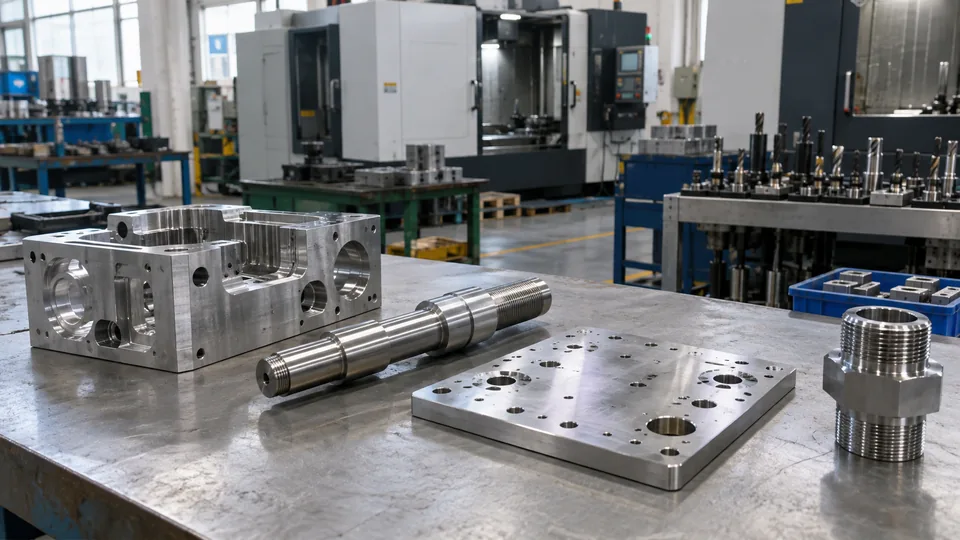
Milling, turning, drilling, boring, reaming, tapping and threading describe different ways to create features. Some use a rotating cutter; some rotate the workpiece; others enlarge or finish an existing hole. One machine may perform several operations. A quotation that says only “CNC” leaves the route unclear for a part with both a round bearing seat and milled mounting faces.
Start with functional features on the drawing. Ask which operation establishes each datum, which finishes each critical feature, and what happens when the part is reclamped. Manufacturing.gov’s CNC overview explains the controlled-machine foundation. Compare Vastion’s CNC machining and CNC turning services as two broad routes.
| Feature | Likely operation | Buyer check |
|---|---|---|
| Flat face | Milling | Face location |
| Round outside diameter | Turning | Concentricity |
2. When is face or peripheral milling used?
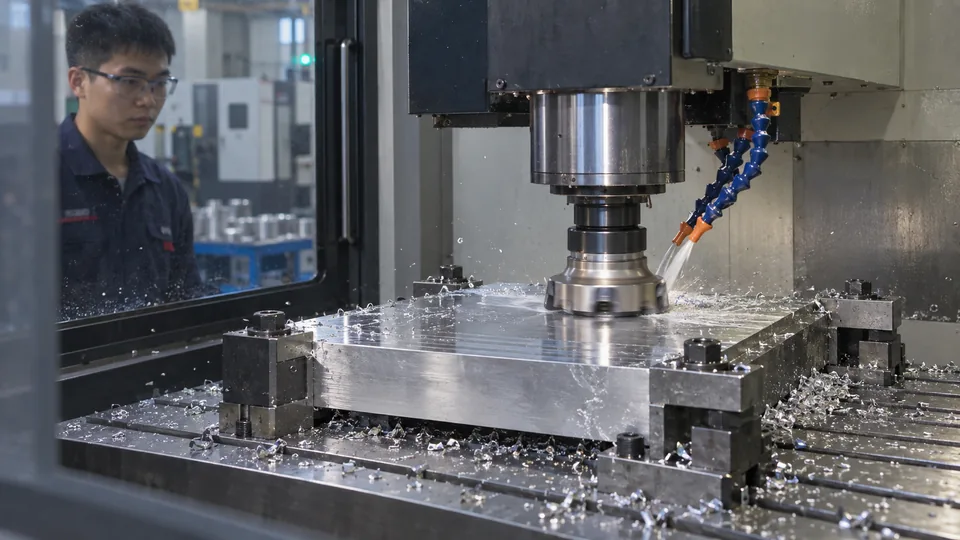
Face milling creates a planar surface as the cutter sweeps across stock. Peripheral milling uses the cutter’s side to shape walls, slots and profiles. Roughing removes stock; a later finishing pass targets dimension and finish. Cutter diameter and access determine whether a sharp-looking inside corner in CAD can be made as drawn.
On an enclosure, a large cutter may establish outer faces before a smaller end mill opens pockets. Identify sealing, visible and datum faces rather than prescribe a cutter. For a deep feature, ask how the shop will control chatter, evacuate chips and verify the bottom. A long tool may reach the surface but deflect during cutting.
| Operation | Typical result | Watch point |
|---|---|---|
| Face milling | Planar reference | Flatness and finish |
| End milling | Wall or pocket | Radius and reach |
3. What distinguishes CNC turning from milling?
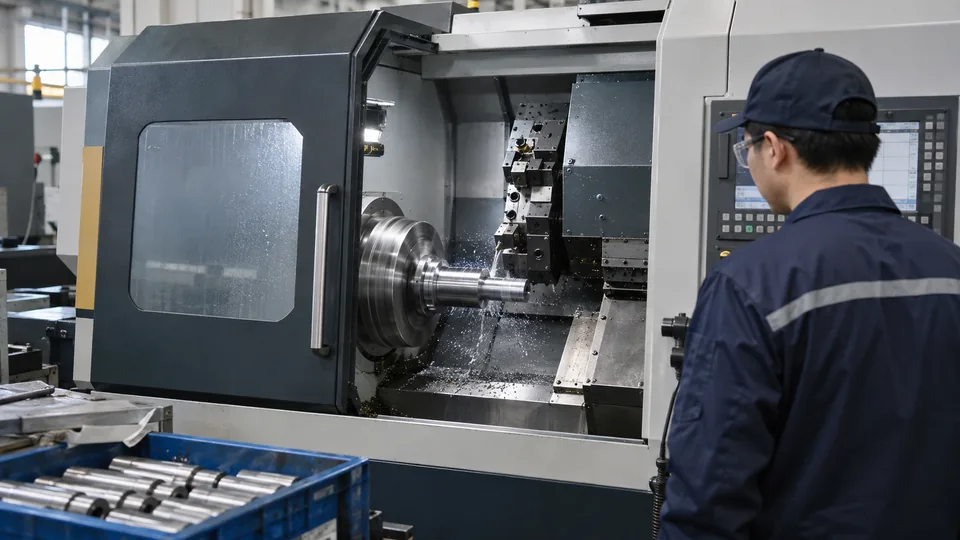
Turning rotates the workpiece while a cutting tool advances against it. That suits shafts, bushings, pins and other rotational geometry. Facing cuts an end; external turning controls diameter; grooving and parting create local features or separate stock. A turned component can still need milling for flats, keyways or cross-holes.
Look at relationships among diameters. When concentricity matters, ask whether critical diameters can be finished in one chucking. A second setup may be necessary, but it needs a locating and inspection plan. The route should follow the dominant geometry, tolerance and order quantity, not simply the machine a shop prefers.
| Turning step | Feature | Check |
|---|---|---|
| Facing | End surface | Length datum |
| External turning | Cylinder | Diameter and runout |
4. Why are drilling, boring and reaming different?
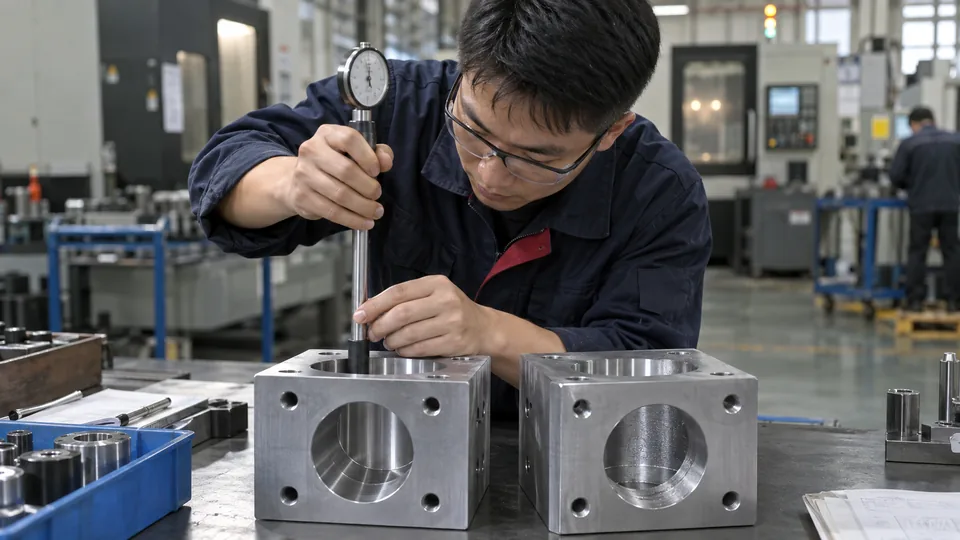
Drilling creates a hole efficiently, but the result may not meet a demanding diameter, roundness or position requirement alone. Boring enlarges an existing hole with a cutting tool and can correct its location relative to the setup. Reaming removes a small allowance to improve size and finish, while largely following the original hole. The functional requirement determines the route.
A clearance hole may need only drilling. A bearing seat or dowel location can justify a secondary operation and more careful measurement. Mark which holes locate, seal or carry load. A shop cannot price the hole intelligently if a drawing labels all holes identically while assembly treats one as critical.
| Operation | Purpose | Buyer check |
|---|---|---|
| Drilling | Create hole | Position and burr |
| Boring or reaming | Finish hole | Size, shape and fit |
5. How are internal and external threads made?
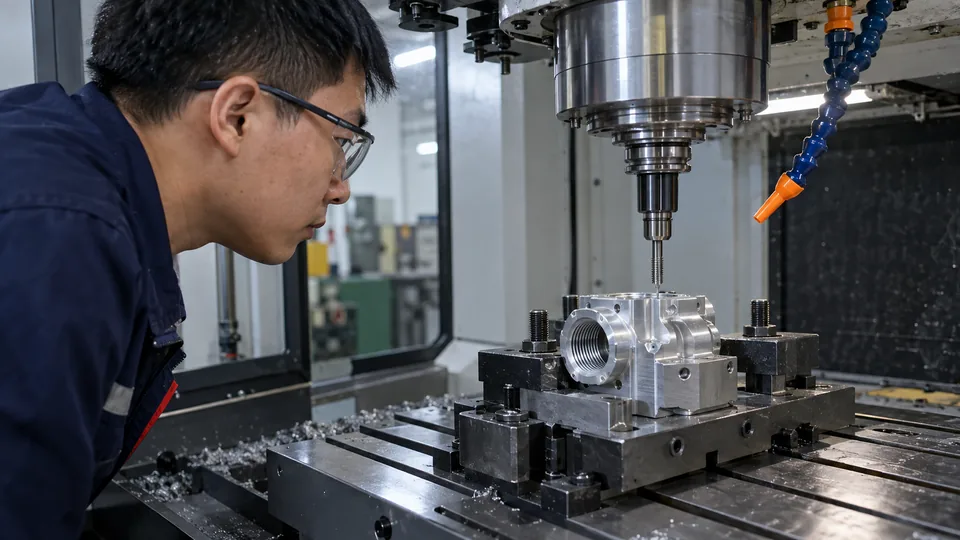
Tapping cuts internal threads after a suitable pilot hole. Thread milling uses a cutter following a helical path and can suit particular materials, sizes or access conditions. External threads may be turned or milled. The specified thread form, class, usable depth and entry condition matter more than the generic note “threaded hole.”
State whether the thread must mate with a supplied component and whether coating affects fit. A thread gauge verifies engagement, but location and depth also matter. Agree how threads will be protected during surface treatment and whether the final gauge check happens before or after it.
| Method | Use | Watch point |
|---|---|---|
| Tap | Internal thread | Pilot hole and depth |
| Thread mill | Internal or external thread | Access and cycle time |
6. Where do chamfering and deburring fit?
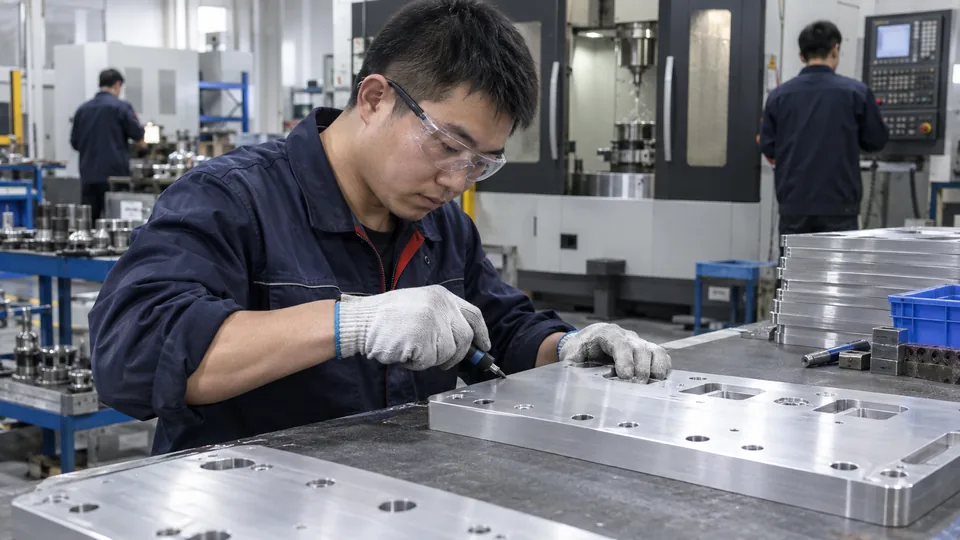
A chamfer is a specified angled edge; deburring removes unwanted raised material. Both affect assembly and handling, but they are not interchangeable. A blanket “break all edges” note can conflict with a sealing edge, a locating corner or a defined lead-in. Manual burr removal may be a substantial operation on intersecting holes or crowded pockets.
Mark functional, cosmetic and protected edges. If appearance matters, approve a sample. If the part will be coated, state which edge condition is checked before and after treatment. The quotation should distinguish a programmed chamfer from manual finishing labor.
| Step | Purpose | Limit |
|---|---|---|
| Chamfer | Defined lead-in | Width or angle |
| Deburr | Remove raised edge | Do not round functional geometry |
7. When is grinding a better finishing route?
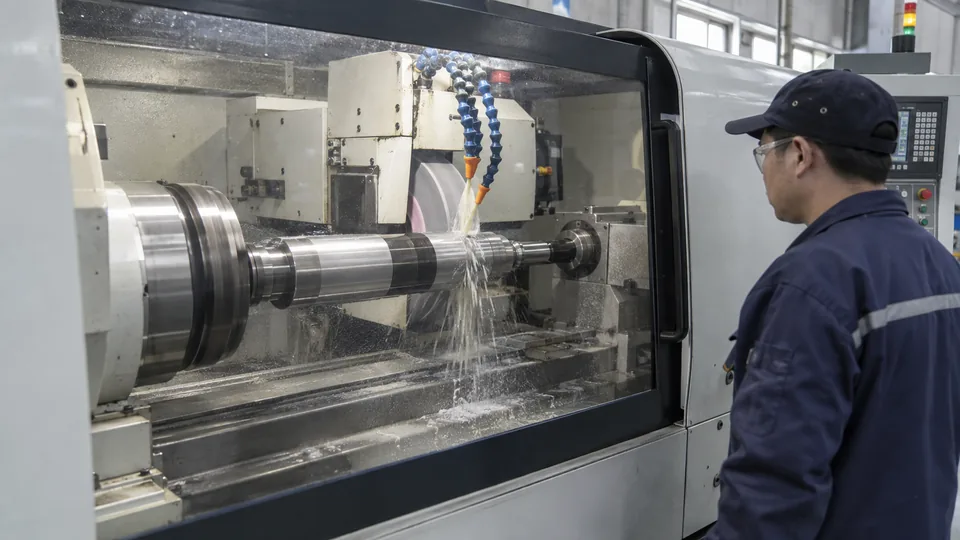
Grinding removes material by abrasion and may be selected for a demanding final size or surface, particularly after heat treatment where appropriate. It is not automatically necessary for every tight dimension. Material, geometry, quantity, thermal effects and distortion risk influence whether it is sensible. Ask which requirement cannot be met economically by the planned turning or milling finish pass.
State whether a critical dimension applies before or after heat treatment and finishing. A ground face can be damaged by later clamping. Ask how the final surface will be measured, rather than accepting the machine’s nominal capability as evidence of part conformity.
| Finishing route | Benefit | Risk |
|---|---|---|
| Machining finish pass | Integrated route | Tool wear or deflection |
| Grinding | Selective fine finish | Additional setup and heat |
8. How do setups combine several operations?
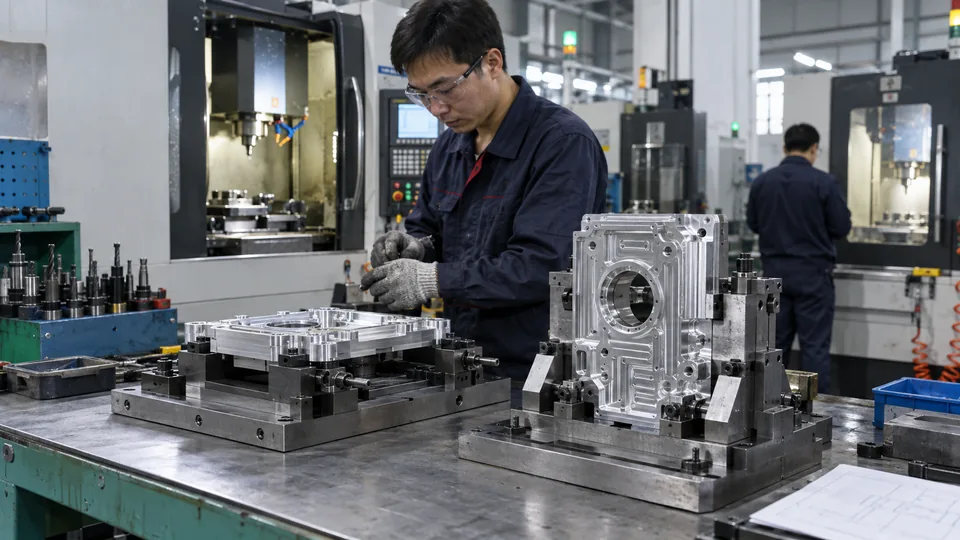
The route must preserve relationships between features cut by different tools or machines. A shaft might be turned from bar, transferred for cross-drilling, then inspected against the original rotational datum. Each transfer introduces a locating decision. A close positional tolerance requires the fixture surfaces and measurement plan to align with the drawing datums.
Ask the shop to identify the critical transition and show how it will measure the first part. CAM simulation checks a digital path; it cannot prove that the real component was seated against the intended locator. A controlled setup sheet and first-part check become especially useful for reorders.
| Route | Benefit | Control needed |
|---|---|---|
| Single setup | Fewer datum transfers | Tool access |
| Multiple setups | More reachable features | Relocation check |
9. How does volume change the operation choice?
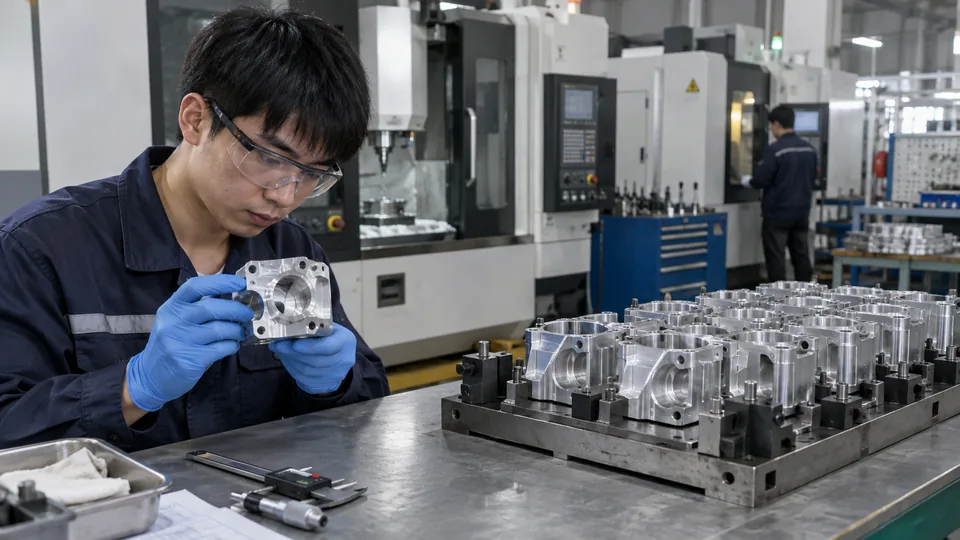
One prototype may justify a flexible vise setup and longer cycle. A repeat batch may justify a dedicated fixture, preset tools and a gauge. Tooling cost must still be spread over expected quantity. A short cycle can be poor value if it demands expensive setup for a tiny order. Request separate prototype and repeat-quantity quotes when demand is uncertain.
For a stable higher-volume design, compare alternatives such as die casting or sheet metal fabrication. Tooling, allowable shape and finishing needs differ, so compare against the same functional acceptance criteria, not just unit price.
| Order type | Likely priority | Cost question |
|---|---|---|
| Prototype | Flexible setup | Engineering time |
| Repeat batch | Stable fixture | Tooling amortization |
10. What belongs in an operation-focused RFQ?
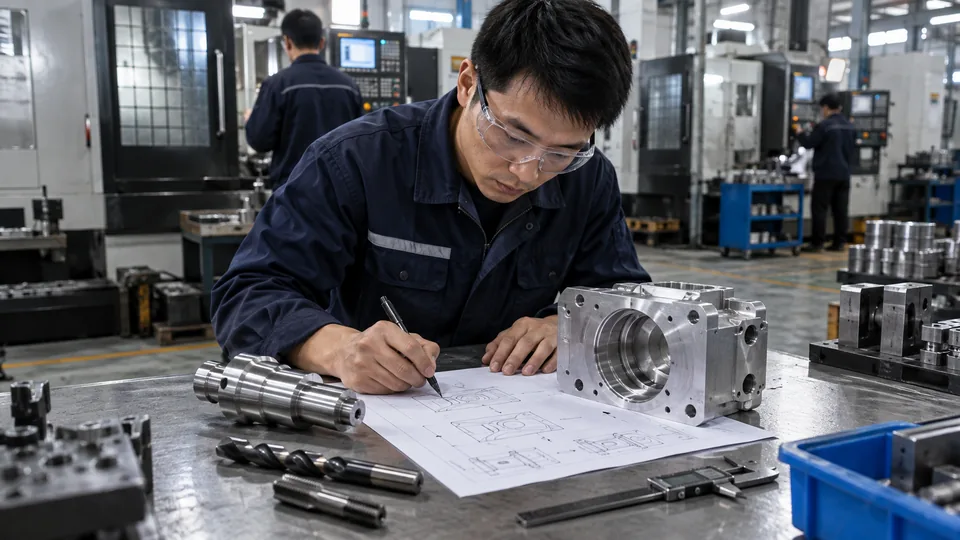
Send a controlled model and drawing, material grade and condition, finish, quantity tiers, delivery requirements and inspection needs. Flag the features that control fit or performance. Ask the supplier to propose an operation sequence and note difficult access, long tools, secondary setups or outsourced finishing. This invites a useful manufacturing response without forcing an inefficient route.
Vastion’s application overview offers context, but the drawing remains the acceptance authority. For sensitive files, discuss its confidentiality policy. Send the current revision through the contact page and request written assumptions in the quote.
Frequently asked questions
Can one CNC machine perform several operations?
Yes. Many machining centers mill, drill and tap in one setup; exact capability depends on the equipment and tooling.
Is boring always more accurate than drilling?
Boring can improve an existing hole, but the result still depends on setup, tool condition and inspection.
Does every threaded hole need a thread mill?
No. Tapping is common; thread milling is chosen when its specific process advantages justify it.
Can a round milling cutter make a sharp inside corner?
Not directly. A design radius, relief or another process may be needed.
How should I compare process quotations?
Compare the same drawing revision, material, finish, quantity, inspection scope and delivery terms.
